
Dutch agency probing payments for surplus solar power
Rob Jetten, the Dutch energy minister, said the nation’s competition regulator is now looking at how energy suppliers are paying for surplus power from residential PV owners. He said that a reasonable tariff should cover at least 80% of energy prices.
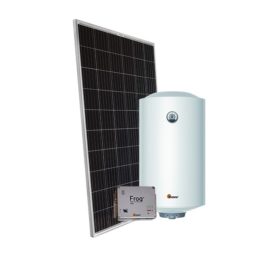
Photovoltaic water heater from Italy
Italian solar panel manufacturer Sunerg has developed an integrated photovoltaic water heater solution based on two resistances. The system relies on a maximum power point tracking (MPPT) controller and can work with a PV module with a power output of up to 450 W.
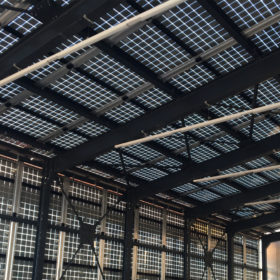
New photovoltaic in-roof system from Switzerland
Swiss module manufacturer Megasol has unveiled a novel rooftop PV system in two variants — full-black and translucent. The installation consists of vertical supports, a ridge profile, and solar modules.
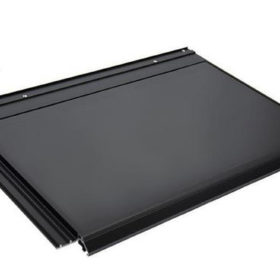
CIGS solar tile with 14.9% efficiency
Taiwanese manufacturer Eterbright has developed a CIGS solar tile with power output ranging from 26.5 W to 56 W and a temperature coefficient of -0.34% per C. The product is able to withstand a snow load of 5,400 Pa and a wind load ranging from 1,600 Pa to 2,400 Pa.
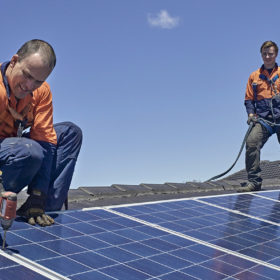
Australian state launches solar rebate program for estimated 1 million homes
About 1 million New South Wales households will be able to apply for an upfront payment of almost AUD 3,000 ($2,153) to put towards a solar system or energy-saving upgrades to home appliances as part of a new state government program designed to reduce energy bills as power prices soar.
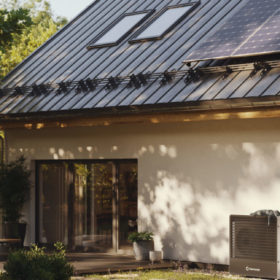
German heating solutions provider offers heat pump leasing
German homeowners are requested to pay a fixed monthly price of €159 ($170.6) without the need for a high initial investment. The offer is valid nationwide

Italian government expects 3.37 GW of new solar capacity for 2022
The Italian Minister of Economic Development, Roberto Cingolani, expects around 5.1 GW of new renewable energy capacity to be connected in Italy this year. This impressive growth should be triggered by more favorable permitting processes.
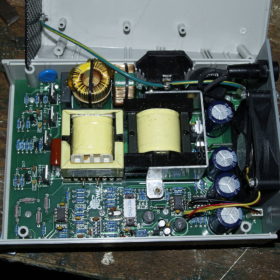
New model for grid-forming inverter operation
Scientists in the United States have developed a new model to allow utilities to use grid-forming inverters in order to better renewable energy intermittency. They described the inverter main circuit representation, the droop control, and the fault current limiting function.
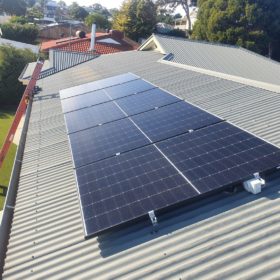
Enphase claims new safety regulations mean more Australian installers prefer its IQ Microinverters
Long-overdue safety and compliance regulation increases came into effect in May. US-based Enphase Energy claims its technology’s exemption from much of nation-wide regulations means installers across the country are opting for its products exclusively.

After a suppressed first quarter, the US solar market is buoyed by tariff suspension
The Wood Mackenzie/SEIA US Solar Market Insight Q1 report finds that the two-year suspension on new solar tariffs is just a start. Passage of further clean energy legislation could boost US solar installations 66% in the next decade.
