France publishes first-quarter FITs for PV systems up to 500 kW
The feed-in tariff granted will still be reduced each quarter, in line with how much solar capacity was installed in the previous three-month period, but to a lower extent.
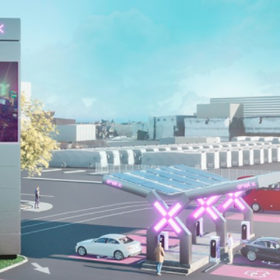
Chile’s first fast-charging station for EVs
The recharging station will operate 24 hours a day and in a flexible format, which will allow fleets of electric buses, last-mile distribution vehicles, trucks, taxis and private electric cars to be supplied through fast charging points.
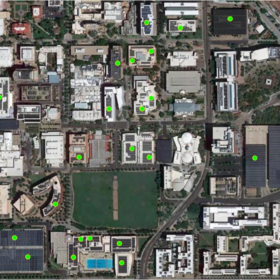
The panel and the city
US researchers have investigated how rooftop PV systems may affect air and building temperature in urban environments and, conversely, how the urban heat island (UHI) effect may have a negative impact on PV system performance. Their work considered urban air temperature, urban air pollution, the partial shading of the PV system, soiling, building heating and cooling loads, and outdoor shade.
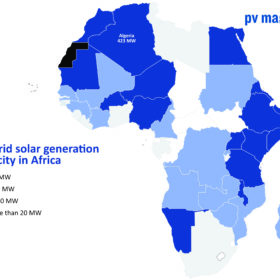
Botswana-Namibia green hydrogen project expands to 5GW
The raised ambition of an already huge renewables-powered hydrogen project in the Southern African nations vividly demonstrates the hydrogen and clean energy potential of a continent which accounted for just 0.5% of the world’s new solar capacity last year, according to trade body AFSIA’s annual report.

Germany deployed 5.26 GW of solar in 2021
The country saw around 421 MW of new PV capacity come online in December alone. Its cumulative solar power reached 56.3 GW.
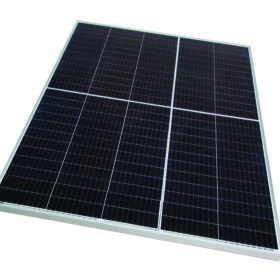
FuturaSun launches rooftop solar module with 390-410 W output
The new product measures 1754x1098x30 mm and weighs in at 21 kg. It features a temperature coefficient of -0.35% per degree Celsius and a power conversion efficiency of up to 21.29%.
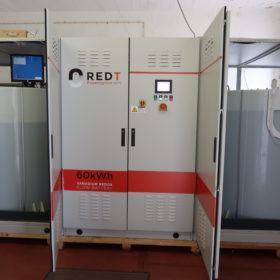
Vanadium redox flow battery to control extreme power ramps in rooftop PV
Researchers in Portugal have tested how vanadium redox flow batteries can be integrated with rooftop PV to balance the system load to ensure firm power output. They proposed a 5 kW/60 kWh battery configuration for a 6.7 kW building-integrated PV microgrid. According to their findings, the battery can be used in different energy management strategy scenarios to better complement solar photovoltaic generation.

Italy introduces 11-month retroactive incentive cut on PV systems over 20 kW
The incentive cut will apply only for the period from February 1, 2022, to December 31, 2022, and will reduce the tariffs paid by the GSE to PV system operators under the Conto Energia regime, depending on the zonal energy price, with the incentive reduction being proportional to the increase in energy prices.
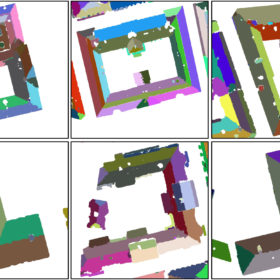
Novel methodology to identify solar-suitable roofs
Swedish scientists developed a three-step method that integrates techniques used for the automatic extraction of buildings along with their underlying roof faces, as well as the identification of utilizable rooftop areas for solar arrays. The novel methodology is claimed to avoid overestimating actual potential of buildings for PV deployment.
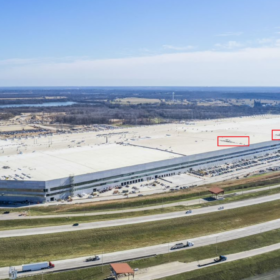
Tesla Energy results up, but mixed, for 2021; solar makes nary a sound on quarterly call
On the company’s Q4 earnings call, the world-leading EV manufacturer again prioritized delivering cars over growing low-margin energy storage products, while solar products were barely noted. Both verticals grew though, solar by 68% and storage by 32%.
