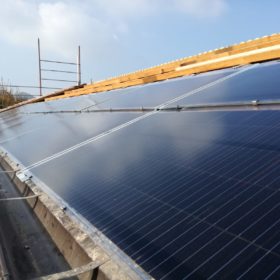
Solar tiles for roof coatings, shelters, facades
Italian startup EnergyGlass has developed a solar tile with 4 mm double-laminated safety glass. It is available in black, white and colored versions and has power outputs ranging from 120 W to 290 W. The tiles can be used to replace conventional roofs or they can be integrated into existing rooftops.
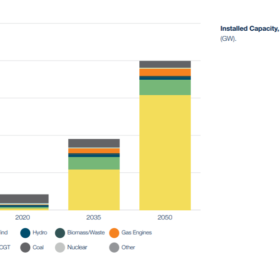
Renewables system with 76% share of PV could halve Indian electricity costs by 2050
A new study by Lappeenranta-Lahti University of Technology and Wärtsilä explores the feasibility of a net-zero power system in India by 2050. It shows that an all-renewables system paired with flexible generation tech could improve the affordability of electricity, while ensuring the reliability of system operations.

SunPower buys US solar system provider for $165 million
The company said it will consider options for its Commercial & Industrial Solutions business including new ownership.

Zola Electric wants to solve the world’s energy inequality
pv magazine has spoken to Bill Lenihan, CEO of Netherlands-based energy system installer start-up Zola Electric – formerly Off Grid Electric – to find out how the business intends to spend the $90 million debt and equity investment it recently raised.

French government confirms FIT of €0.098/kWh for PV systems up to 500 kW
PV project developers can secure France’s feed-in tariff without participating in tenders.
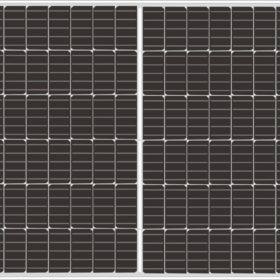
Indian manufacturer unveils 375-410 W half-cut modules with 20.4% efficiency
Pixon Energy has launched mono PERC half-cut-cell modules with output capacities ranging from 375 Wp to 410 Wp. The five-busbar modules can be used in all types of PV installations, including off-grid, residential, commercial and industrial, and utility-scale projects.

China can ensure a 1.5C world – and continue to dominate the global clean energy supply chain
A report by the IEA laying out two routes for China to reach net zero attempts to persuade policymakers to gun for that goal by 2050, rather than ten years later, and dangles the prospect of continued global dominance as the main reward on offer.
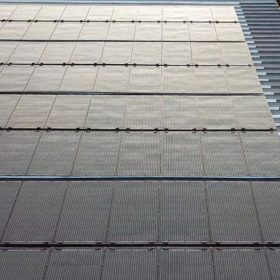
CIGS solar panels for weight-constrained rooftops
U.S. thin-film module manufacturer Sunflare is ramping up production at its factory in China. The company makes four different CIGS modules.

Ireland announces plan to install 600,000 heat pumps by 2030
The move is part of the National Development Plan 2021-2030, which aims to increase the share of renewable electricity in the generation mix up to 80% and to allocate around 15.5 GW of wind and solar capacity through an auction scheme.
PV industry veteran warns of looming supply chain disruptions in Australia
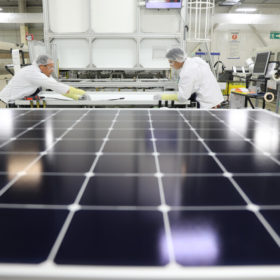
Australia’s PV module supply landscape could experience a supply shock as legislation emerges to stamp out the use of forced labor. Chris O’Brien, VP for the APAC region at Maxeon Solar Technologies, says that measures that have left modules stranded at the U.S. border could very well occur in Australia soon.
