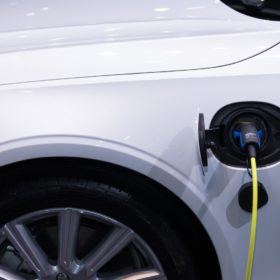
Residential PV makes EVs cheaper, reduces emissions
The maintenance cost of an electric vehicle is estimated to be significantly lower than internal combustion engines, and studies show home solar furthers the cost savings and boosts carbon emission reductions.

The weekend read: Don’t be afraid of BIPV
Necessity, as it’s said, is the mother of invention. For architect Samira Jama Aden, who plays a central role at Helmholtz-Zentrum Berlin’s BAIP consultancy for building-integrated photovoltaics (BIPV), the need for solar to be part of our built environment is becoming unavoidable. And for Aden, her mission is personal.
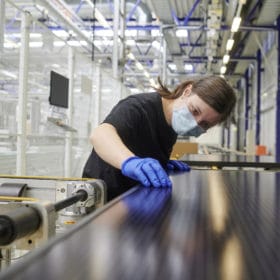
Meyer Burger plans to launch solar PV roof tiles in 2022
The Swiss group has acquired an integrated solar roof system solution from an unidentified German engineering service provider for this purpose. The aim is grow this sector from a niche market.
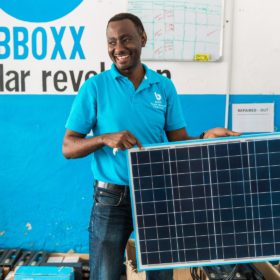
Bboxx cottons on to pay-as-you-go potential of Burkina Faso
The PAYG solar start-up, which is a darling of impact investors, has formed a joint venture with French cotton farming giant Geocoton to establish a foothold in Burkina Faso and says it is aiming to offer its solar home systems to 2 million customers.
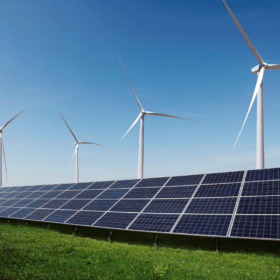
European Commission approves France’s €30bn renewables incentive program
Paris intends to secure 34 GW of solar, onshore wind and hydroelectric generation capacity by 2026 by offering generators premium payments – determined by competitive reverse-bidding among developers – to top-up the market electricity price.
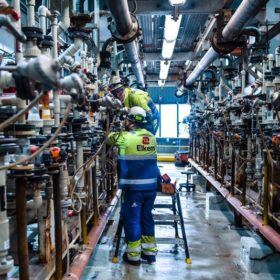
Europe had just 650 MW of solar cell manufacturing capacity at the end of 2020
The latest update to the Photovoltaics Report produced by research organization the Fraunhofer ISE has offered up the usual slew of interesting stats on the state of solar across the continent.
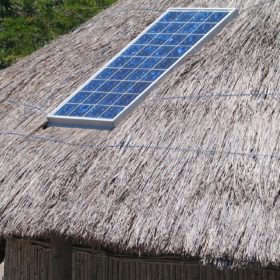
Solar manufacturers warn of 12-18 months disruption for standalone products
Potential price rises of 14% for the solar home systems that are driving access to electricity in the world’s under-served regions could signal further arrested progress towards the UN goal of universal access by 2030.
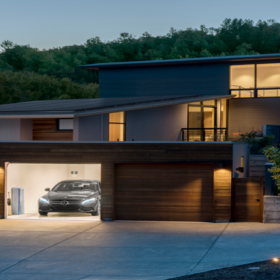
Queensland energy survey reveals shifts in battery and EV embrace coupled with continued love of solar
Known as Australia’s “Sunshine State,” Queensland households have, in just two years, doubled their residential energy storage, according to a new survey. The figures reveal 37% of Queensland households now have panels installed, with a further 22% looking to install or upgrade their systems.
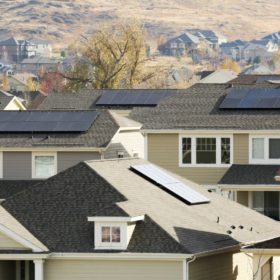
Residential solar demand is ‘through the roof’
One question is whether or not manufacturers can keep up with demand, particularly inverters and semiconductors.
Net zero could be 630-plus gigawatt annual opportunity for solar
Analyst BloombergNEF has gazed into its crystal ball and predicted three routes to a net zero world. The ‘green’ scenario fleshed out in its latest New Energy Outlook is bound to appeal far more to the solar industry than the alternative, nuclear or fossil-fuel-powered outcomes.
