
Cuba introduces new rules, fiscal incentives for solar prosumers
With Decree No. 345, the Cuban government aims to encourage consumers to install rooftop PV projects. The new rules will help to facilitate the sale of surplus power within the national electricity system, among other matters.

Goa to extend solar PPA with NTPC by 3 more years
The government of Goa, now reeling under severe electricity shortages, has decided to extend its solar power purchase agreement with NTPC Vidyut Vyapar Nigam by three years, following a complete lack of interest in the Indian state’s recent solar tenders.

Clean energy must be rolled out six times faster
To have any hope of restricting global heating to a maximum of 1.5 degrees Celsius, the renewables success story which saw 108 GW of solar deployed last year needs to be cranked up to the next level – and fast.

Renesola exits Vietnam, India and Korea
The Shanghai-based project developer – which will soon relocate to the U.S. – says the profit margins are not high enough in those markets and has cancelled its project pipeline in the nations. The company has also changed its CEO after less than five months and is on a drive to reduce capital costs.
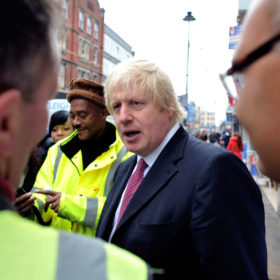
Not even crumbs for the solar industry in UK party election manifestos
The political statements issued by the Conservatives, Labour, the Lib Dems and even the Green Party almost entirely ignore solar power amid a welter of vague ambitions ahead of the December vote. The increasingly obvious effects of climate change have clearly entered the consciousness of voters, though – the net zero commitment even got as high as page 55 of the Conservatives’ 62-page document.

Financing African projects remains a struggle
Innoenergy’s recent conference in Berlin repeated the argument financing renewable energy projects in Africa remains a struggle, however it also showcased some hopeful case studies.
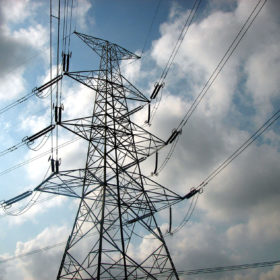
Bangladesh to assess impact of integrating renewables into grid
The government has set a very low bar of achieving just 10% of its electricity supply from renewables as it tenders for consultants to advise it on how to incorporate intermittent generation into the national grid.

Estonia launches competitive renewables auctions
With the market all but grinding to a halt this year after an incentive scheme expired, the government has launched a new capacity procurement system. PV could be a winner in the first auction round but, as of 2021, solar could face stiff competition from wind and biomass.
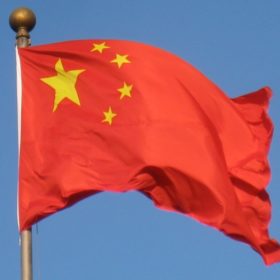
China reportedly ready to end large scale PV subsidies this year
Having envisioned an 18-month transition to grid parity solar in the world’s biggest PV marketplace, developers of large scale projects are now reportedly being told the subsidy taps will be switched off at the end of December.

Bangladesh sets solar import standards
Complaints about sub-standard, cheap PV imports from China – and notably, India – have been heeded by Dhaka, which has issued a requirement for modules, inverters, charge controllers and batteries to attain IEC electrical standards.
