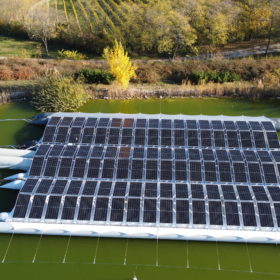
Puffer fish inspired floating PV structure
With a new system for floating photovoltaic power plants, engineers from Germany want to make the application cheaper, higher-yielding, and safer. The result is somewhat reminiscent of a pufferfish, which also gave the system its name.

Bahrain issues two tenders for 7.5 MW of PV capacity
Through the two procurement exercises, Bahrain’s Sustainable Energy Authority (SEA) wants to deploy solar plants at the Ministry of Labour & Social Development and the Ministry of Education.
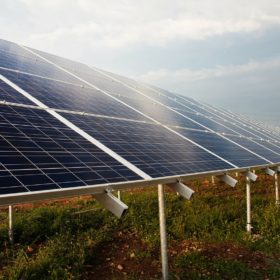
Renesola rejects allegations of fraudulent activities
According to U.S.-based Grizzly Research LLC, many of the company’s European solar projects appear not to exist. Renesola has said it will review the report and address the key inaccuracies with detailed explanations on its upcoming earnings conference call.

Amazon procures more than 1 GW of U.S. solar projects
Amazon has announced 5.6 GW of solar throughout the world. The first U.S. projects are planned for Arizona and Georgia.

Record solar numbers expected this year but IEA highlights pricing concern
The Paris-based body expects the world will have installed almost 160 GW of solar this year, a record number, but still not enough to keep the prospect of a net zero global economy by mid century in sight.
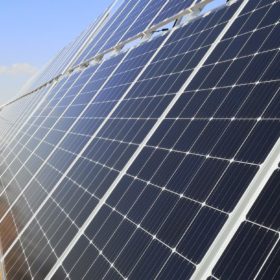
‘World’s biggest TOPCon solar plant’ begins generating
Solar manufacturer Jolywood, which supplied almost 500 MW of its bifacial tunnel oxide passivated contact panels for Oman’s Ibri II facility, has claimed the power plant is the biggest to date to deploy the high-efficiency technology.

Forced sale of Shunfeng projects will remove biggest overdue debt
Creditor Chongqing, which has been owed more than $100 million by the embattled developer for 14 months, will force through a sale of 180 MW of solar capacity to a third party. Shunfeng had originally wanted to sell the projects to Chongqing six years ago.

Tata Power awarded India’s largest solar and battery storage project
Tata Power Solar has secured the engineering, procurement, and construction contract for a 100 MW solar field with a 120 MWh battery. The project, awarded by the Solar Energy Corporation of India, will be in the state of Chhattisgarh.
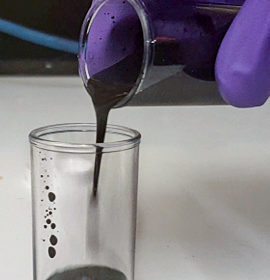
MIT scientists develop semisolid zinc-manganese dioxide flow battery for wind, PV storage
MIT researchers have created a semisolid flow battery that might be able to outperform lithium-ion and vanadium redox flow batteries. It features a new electrode made of dispersed manganese dioxide particles shot through with an electrically conductive additive, carbon black.
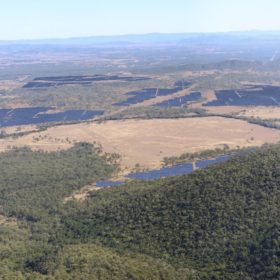
Acciona signs up to supply solar for 3 GW green hydrogen project
Australia’s Stanwell Energy and Spanish renewable energy company Acciona Energia have signed a deal that could use energy generated at the proposed 600 MWp Aldoga Solar Farm to power a 3 GW green hydrogen project being developed in Queensland.
