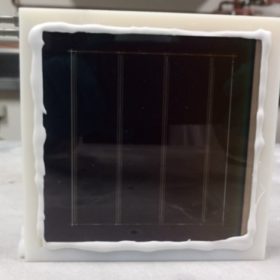
PV-electrochemical water-splitting for hydrogen production
A German research team has developed a new photovoltaic-electrochemical device for alkaline water electrolysis. The prototype has an initial solar‐to‐hydrogen efficiency of approximately 7.7%.
Global solar capacity may reach 1,448 GW in 2024
SolarPower Europe has predicted the volume of new PV capacity added this year will be 4% less than last year’s figure because of the Covid-19 crisis. At the end of 2019, the world had topped 630 GW of solar. For 2020, around 112 GW of new PV capacity is expected, and in 2021, newly installed capacity could be 149.9 GW if governments support renewables in their coronavirus economic recovery plans.
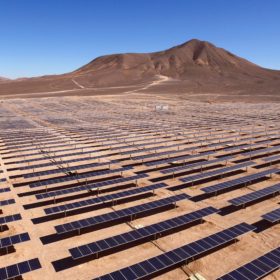
Plans unveiled for 1 GW solar-storage-hydrogen facility in China
Chinese developer Panda Green says it has negotiated exclusive rights to develop a $1.41 billion project in Xinjiang which will feature PV and photothermal generation, hydrogen production and energy storage.
A look at China’s PV poverty alleviation policy
A global research team says that China’s PV poverty alleviation scheme has ramped up disposable income levels in the country’s poorest counties. The Chinese government aims to install more than 10 GW of PV, especially in the most impoverished parts of eastern China, to help 2 million people by the end of this year.
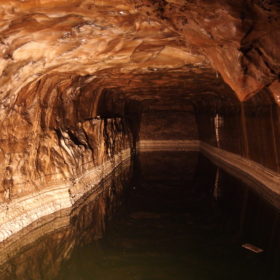
Hydrogen storage in salt caverns
Researchers in Germany have identified salt caverns as a feasible and flexible solution for hydrogen storage. They also revealed that Europe has the potential to inject hydrogen in bedded salt deposits and salt domes, with a total storage capacity of 84.8 PWh.
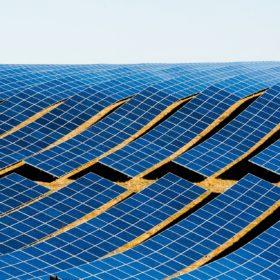
Cash-strapped developer SFCE dependent on buyer goodwill for $66m project sell-off
SFCE is scrambling to keep creditors at bay and has been unable to guarantee more than half the windfall it expects from selling off 140 MW of Chinese project capacity will actually be paid.
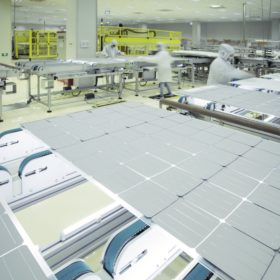
Analyst expects ‘unprecedented’ consolidation of Chinese solar industry
PV manufacturers unable to live with proposed new quality guidelines and project developers alike are set to be squeezed out by the state in the world’s biggest solar market, according to Frank Haugwitz, who has compiled a market update as preparations for the next five-year plan gather pace.
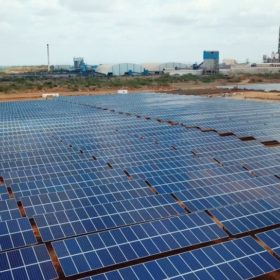
Indian launches 10 MW solar tender in Rajasthan
The tariff ceiling has been fixed at INR3.20/kWh ($0.04) and the ground-mounted PV projects will be set up on a build-own-operate basis. The last day to submit bids is July 24.
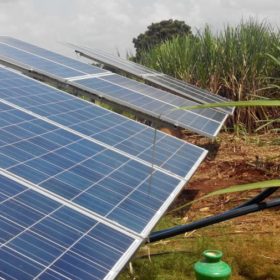
India set for 10 GW of agricultural solar
The Indian state of Andhra Pradesh – which had commissioned an aggregate 3.53 GW of solar capacity as of May 31 – will set up the new plants to ensure nine hours of daily free power supply to the agricultural sector.
Chinese PV Industry Brief: 600 MW of unsubsidized PV in Shanxi, incentive cuts in Shanghai
Longi will build 600 MW of unsubsidized PV in Datong, Shanxi province. The Shanghai Development and Reform Commission, meanwhile, has unveiled new 2020-21 FITs. Yingli is undergoing restructuring, while Trina had a solid listing debut in Shanghai.
