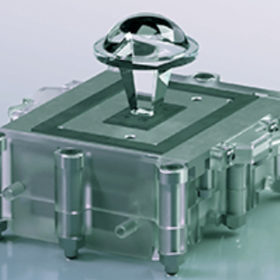
The Hydrogen Stream: CPV-powered PEM electrolyzers for 1.2MW demo in Portugal
Fusion Fuel Green has developed a small PEM electrolyzer that will be used in a green hydrogen project in Iberia. Elsewhere, India’s Adani Group and Canada-based PEM fuel cell producer Ballard Power Systems have signed a memorandum of understanding to evaluate a joint investment in the commercialization of hydrogen fuel cells for mobility and industrial applications in India.
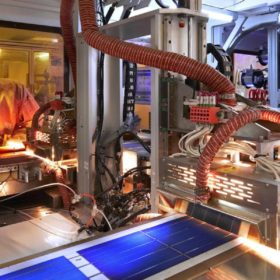
Chinese PV Industry Brief: Soaring profits for Trina and Shuangliang
Panel maker Trina Solar and wafer manufacturing compatriot Shuangliang Eco-Energy have announced bumper profits from last year as polysilicon producer GCL ponders a rebrand.
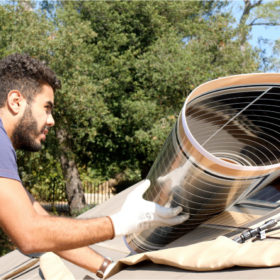
Rollable CIGS solar modules from France
French start-up Solar Cloth is planning to scale up capacity at its module production facility near Cannes. The factory will produce 17.6%-efficient flexible solar modules integrated into textile supports.
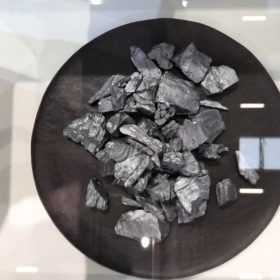
Polysilicon price reaches $39.3/kg — the highest since 2011
The price of polysilicon last week reached its highest level since 2011 and, according to Chinese module manufacturer JinkoSolar, there are no visible signs that it could drop this year, as predicted by several analysts.

ROTH: 100MW of modules detained in the US under Hoshine WRO released
Shipping containers storing roughly 100MW of LONGi solar modules have been released, reports ROTH Capital Partners in an industry note, while Trina has had the vast majority of its detained product released, if not all of it entirely.
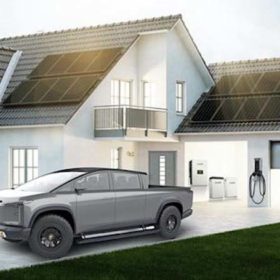
SolarJuice to ramp up solar manufacturing capacity to 1.1GW
SPI Solar plans to begin manufacturing solar panels in California using the existing production lines at the former Sunergy PV solar plant, boosting capacity to 1.1GW in Q3.
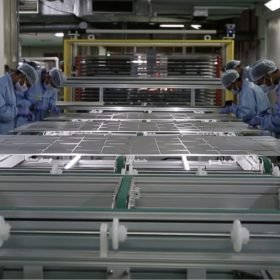
ICRA expects strong demand outlook for Indian solar manufacturers
As Indian solar manufacturers relying on imported cells remain exposed to price fluctuations, timely commissioning and ramp-up of ongoing capex in the module manufacturing value chain remain critical in the near to medium term.
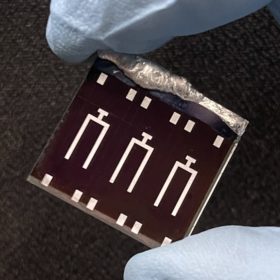
CISSe solar cell with record-breaking efficiency of 14.4%
Korean researchers have built a CISSe solar cell that can be used as a bottom cell for applications in tandem cells with a top cell based on perovskite. In the manufacturing process, they replaced the vacuum technology with air annealing and the result was a record-breaking efficiency combined with potential lower production costs.
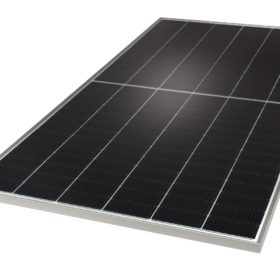
Hanwha Q Cells launches 590W solar module with 21.7% efficiency
The Q.Peak Duo XL-G11.3 panel is currently the largest and most powerful panel produced by the Korea-based manufacturer. It features a temperature coefficient of -0.34% per degree Celsius and comes with a 25-year linear performance warranty.
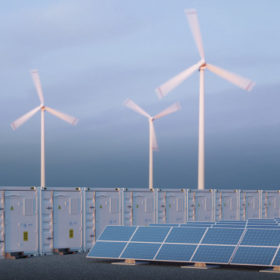
The Hydrogen Stream: Europe’s largest green hydrogen project takes shape
Production for the HyDeal project is planned to start in 2025; the total installed capacity is expected to reach 9.5 GW of solar power and 7.4 GW of electrolyzers by 2030. Elsewhere in the world, India and Brazil are preparing rules and laws to promote green hydrogen, while research activities continue to increase hydrogen fuel cell’s efficiency and hydrogen’s use in the aviation sector.
