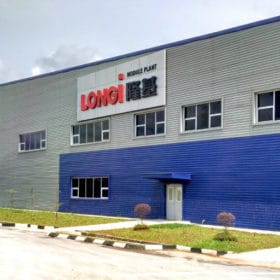
Another 5 GW of module capacity for the Longi juggernaut
The mono giant has announced the latest aspect of a strategy to massively increase production capacity which is currently set to cost around $3.32 billion. Longi last week issued $710 million of new convertible bonds for investors.
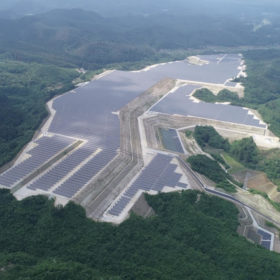
Solar sales recover for electronics brands LG, Kyocera and Panasonic
Korean conglomerate LG reports increasing demand for its high-efficiency PV products in key markets while Kyocera said its solar business is improving profitability. Panasonic posted a slight increase in sales for its PV segment, including solar manufacturing.
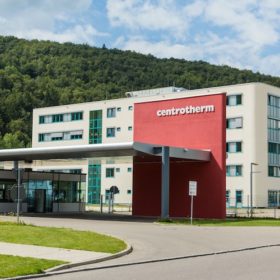
Large orders from Asian solar manufacturers boost Centrotherm
Enormous order intake is ensuring high production capacity utilization at the German PV equipment provider. The company said demand was particularly strong for high-efficiency solar cell production equipment in Asia. Thus far this year, however, that has not been reflected in the balance sheet.
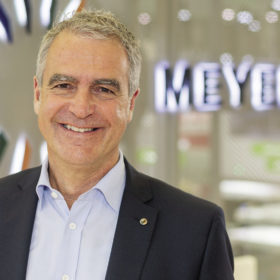
Meyer Burger resists rebel shareholder at EGM
The Swiss solar equipment supplier today fought off an attempt by its largest single shareholder to have a representative appointed to its board and to have its executive pay regime reviewed. Victory in that battle may secure the company some wiggle room, but the war over corporate strategy appears far from over.
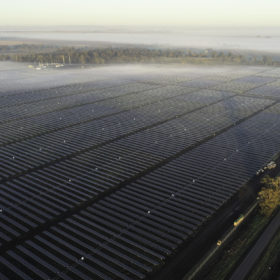
Risen profits for HJT manufacturer
Ukraine’s favorite solar module manufacturer has posted another encouraging set of returns, after a difficult year in 2018. And Risen – which boasted 6.6 GW of annual production capacity at the end of last year, according to analysts at PV InfoLink – is committed to adding another 2.5 GW before 2022.
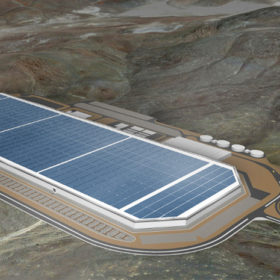
Tesla unveils a bigger, better, simpler Solar Roof – at a 40% discount
Elon Musk has officially launched the third phase of his crusade to make a successful solar roof tile, with promises that this time it is going to be a success.
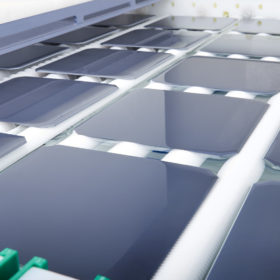
German supplier fields orders for 10 GW of PERC cell production lines in three months
RENA Technologies may struggle to feed the insatiable demand for production capacity in China fast enough and has welcomed orders worth ‘tens of millions of euros’ from three big clients.
Kalyon Enerji finds Chinese partner for 500 MW module fab in Turkey
The factory, backed by the Turkish government in September, was originally intended to be built with the support of Korean solar manufacturer Hanwha Q Cells. The new partner is China Electronics Technology Group Corporation (CETC). Production is planned to start next year.
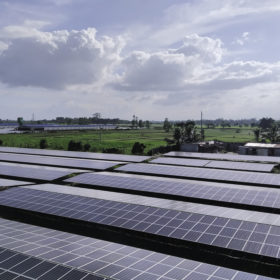
Bangladesh extends incentive scheme for domestic solar industry
PV manufacturers receive 10% of the value of their exported products as an incentive and the nation’s central bank has extended the program to cover this financial year. Bangladesh’s solar manufacturers have called for more, however, and point to more generous schemes to the west.

Runergy plans another 6 GW of mono PERC manufacturing capacity by 2022
The fact solar manufacturers in China are still aggressively expanding output illustrates the strength of global demand for PV even as hopes for a rebound in Chinese installations appear to have been groundless.
