
Daqo prepares for flood of new PV orders in China
The polysilicon manufacturer took a step back in the last quarter to take two steps forward in the next, bringing forward annual maintenance operations at its main production facility to prepare for a solar gold rush expected to start next month.

German PV equipment makers report fall in revenue
Manz and Singulus have both seen turnover drop in the first half.

German industry body calls for 5 GW cell manufacturing fab in Europe
The VDMA says Europe can restart a solar production sector that can compete on price with Chinese imports by reducing transport costs – provided a Euro supply chain can be established.

The weekend read: Perovskites step out of the labs
Michael van der Gugten, Sales and Marketing Executive at Smit Thermal Solutions, is convinced that perovskite solar cells have reached maturity, and that they are ready to make the step from the lab to production. He is leading the organization of a conference on this topic and expects that the perovskite community, production equipment suppliers and crystalline silicon cell manufacturers will discuss the implementation of perovskite-silicon tandem cells or the production of standalone perovskite modules.
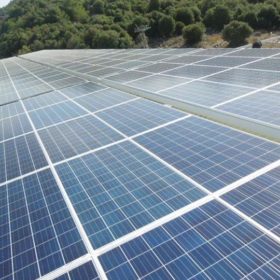
Risen Australia sells 120 MW of rooftop panels in one year
Chinese PV module maker Risen Energy says it has achieved its highest jump in solar module sales in the Australian market in a one-year period.
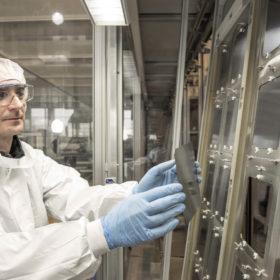
Oxford PV orders 100 MW production line from Meyer Burger
The British-German perovskite startup has ordered a turnkey 100 MW silicon heterojunction solar cell line from the Swiss PV equipment supplier. The terms of the deal were not disclosed.

Indian government invites solar research proposals
The MNRE has invited proposals for high-efficiency perovskite solar cells, solar panel recycling, hybrid inverters and new applications that combine solar and storage, among others.
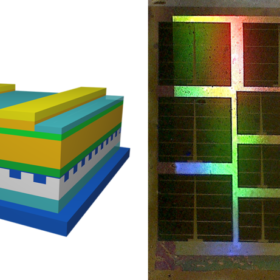
German-French scientists develop ultra-thin GaAs solar cell with 19.9% efficiency
The researchers have developed a new manufacturing process by using an ultra-thin absorbing layer made of 205-nanometer-thick gallium arsenide (GaAs) and a nanostructured back mirror.

ET Solar is back in the US market
Six months after settling claims in the Chapter 11 bankruptcy case of its U.S. distribution subsidiary, the Chinese PV maker says it has signed more than 500 MW of U.S. module supply contracts.
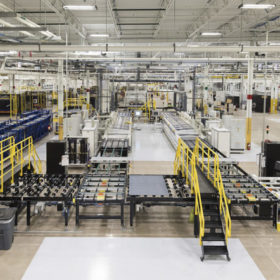
First Solar’s great ramp forward
First Solar has reported the largest quarterly production run and shipment volume in its history, and more than 2 GW of bookings in July alone. And with more factories underway, the thin film PV maker is just getting started.
