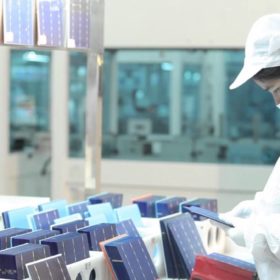
PERC market to reach 158 GW by 2022
Taiwan-based analyst firm, WisolPro says the global capacity for PERC cells is rapidly increasing, with the technology likely to replace polycrystalline cells. HJT, thin film, and n-type PERT technologies are also on the rise.

China’s Irico sees big H1 profit increase, confirms plans for 2 GW module fab
Chinese glass and display device manufacturer, Irico saw total profit for the first half of 2018 increase more than 500% over the same period in 2017, thanks in part to increased revenue from its solar glass business. The company also confirmed that preliminary construction is underway on its 2 GW module factory in China’s Jiangsu Province.
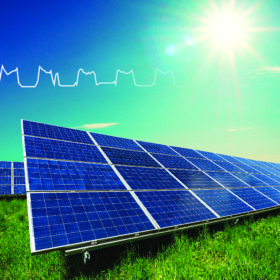
US scientists create MPP algorithm to measure PV panel degradation
The algorithm is said to be able to examine the relationship between weather forecast data and the projection of electric circuit parameters. Through this innovation, Purdue University researchers claim they can interpret the routinely collected maximum power point (MPP) time-series data, to assess the time-dependent “health” of installed solar modules.
Indian PV installations fell by half in Q2
In the second quarter, India installed solar projects amounting to 52% less capacity quarter-over-quarter, due to uncertainties around trade cases, module price fluctuations and PPA renegotiations prompted by record low solar tender bids.

Scientists claim 10% saving for black-Si cell production with dry-etching
Researchers from Finland’s Aalto University and the Michigan Technological University, in the US, say they have demonstrated the cost per unit of power of black-Si PERC cells could fall 10.8%, despite an increase in cell processing cost.
Digging down into Hanergy’s latest impressive figures
The first-half results appear to indicate a renaissance for a thin-film manufacturer still suspended from the Hong Kong Stock Exchange, but a strategy of having affiliate companies invest in Chinese industrial parks to secure returns from the resulting orders for manufacturing equipment, may make would-be investors uneasy.

Solargiga confirms dramatic turnaround in figures
Chinese solar manufacturer reports a similar scale of first-half losses to the $15m profit it posted this time last year. Will the company’s decision to almost double module production capacity prove an inspired move or a mistimed disaster?
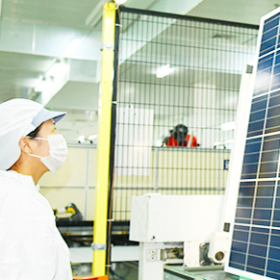
China’s Akcome to sell 503.5 MW of solar to ZPEG
China’s Jiangsu Akcome Science and Technology has revealed plans to sell 503.5 MW of solar to Zhejiang Provincial Energy Group (ZPEG), as it struggles to rein in its debts.
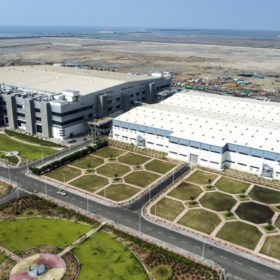
India’s SECI reduces manufacturing tender size from 5 GW to 3 GW
In a major development, the Solar Energy Corporation of India (SECI) has reduced its solar manufacturing tender size from 5 GW to 3 GW, and curtailed the minimum bid capacity from 1 GW to 600 MW. The size of Power Purchase Agreement (PPA), however, remains unchanged at 10 GW.

EnergyTrend expects price shuffle after EU ends MIP
According to the Taiwanese analysts, the solar PV module market is still stable. However, EnergyTrend expects a new price war to erupt with the end of minimum import tariffs (MIPs). In particular, Taiwanese manufacturers will have to cope with increasing price pressure.
