
Software for virtual power plants powered by residential solar-plus-storage
With its sonnenVPP, German battery company Sonnen wants to improve the efficiency of virtual power plants which it says can offer primary balancing energy from houses with solar and storage and can operate up to 90% more cost-effectively.
Power Ledger to give French customers their choice of energy
The Australian peer-to-peer energy trading pioneer has revealed the world’s biggest “choose your own energy source” project in France.
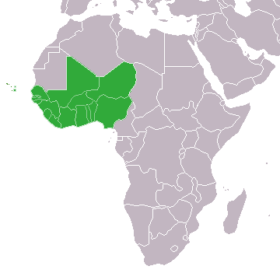
Solar emerging as best bet for West Africa’s future energy mix
The Economic Community of West African States should prioritize the development of solar PV to meet surging energy demand over the next 30 years, according to a newly published study.

Green hydrogen can power green Alpine tourism
An Austrian consortium has developed a hydrogen generation, storage and fueling station along with fuel cell-propelled snowmobiles. The team was so certain of the readiness of the solution they launched it during an FIS World Cup skiing event.
Sector coupling in Europe could see solar and wind demand double
Market intelligence firm BloombergNEF has published a report with power company Statkraft and clean energy distributor Eaton highlighting the importance of sector coupling for Europe’s decarbonization plans. Analysts examined the power markets of Germany and the U.K. and concluded effective sector coupling including the use of green hydrogen could lead to greenhouse gas emission reductions of 83% by 2050.
Netherlands’ largest power provider makes room for more solar
Liander will apply a grid congestion management system in the Gelderland province from the autumn. The measure is intended to reduce the number of solar and wind power projects waiting on new grid capacity.

AfDB provides $200 million to expand Nigerian power sector
The African Development Bank has agreed to invest $200 million to improve electricity access in Nigeria by building minigrids throughout the country.
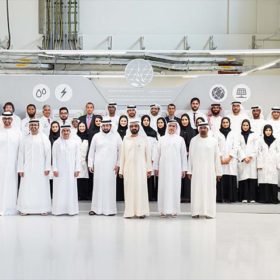
DEWA opens new solar R&D center
The Dubai Electricity and Water Authority’s new research facility at the Mohammed bin Rashid Al Maktoum Solar Park will primarily focus on solar power, energy efficiency, and the integration of smart grids.

The ambiguous impact of battery storage on emissions
U.S. researchers have investigated whether energy storage deployment could actually drive up greenhouse gas emissions in the short term in some energy markets. The fact the existing literature considers only the dispatch of energy from storage facilities in the current fossil fuel-renewables energy mix, though, could understate the long-term emissions reduction benefits of such facilities.
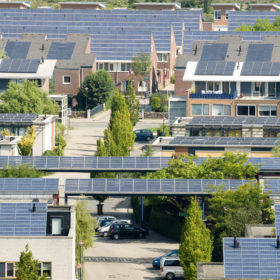
Energy community provisions for Italy
New measures introduced by the government allow households, businesses and public entities to produce and trade clean electricity in low-voltage grids. The new framework is open to power projects with a generation capacity no larger than 200 kW.
