
Storing renewables in soil mounds via water balloons
Scientists in Denmark have developed a storage technology that utilizes large underground water balloons and the pressure of the soil to activate a turbine to generate power. They are currently building a first 10 m x 10 m demonstrator to select critical technologies related to the membrane and to the construction of the “movable hill” that will form the terrain part of the battery.
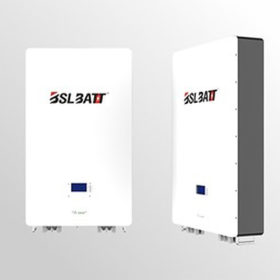
New residential lithium-ion battery from China
Chinese manufacturer Bslbatt has unveiled an upgraded version of its residential battery. The device has a storage capacity ranging from 5.12 to 12.8 kWh and is reportedly able to provide steady operation for up to 6,000 charge cycles.

The Hydrogen Stream: $8 billion green hydrogen facility near the Suez Canal
Egypt is taking several steps to support renewable and hydrogen projects, aiming to produce 42% of its electricity from renewable sources by 2030. Meanwhile, a team of researchers led by UCLA developed a method for predicting platinum alloys’ potency and stability; Iberdrola and bp are working on strategic collaboration, including large-scale green hydrogen production hubs in Spain, Portugal and the UK.
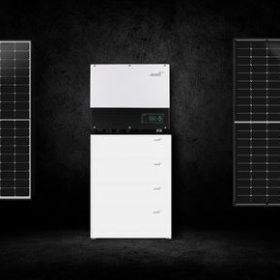
JinkoSolar unveils battery system for Australian residential market
Having established a strong foothold in the Australian market with its solar PV panels, Chinese manufacturer JinkoSolar is now seeking to expand its influence in the energy storage space with the launch of its modular Suntank home battery storage system.
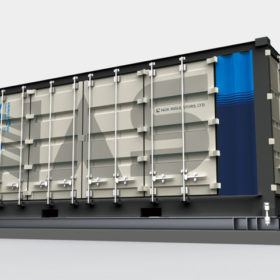
NGK Insulators links 200 kW/1,200 kWh NAS battery to 2.6 MW rooftop solar array at Japanese factory
Both the battery and the PV system are due to begin commercial operations in 2024.
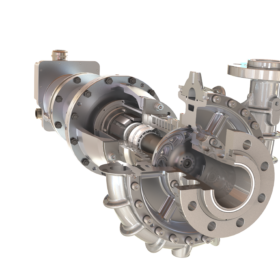
UK startup develops high-temperature heat pump that produces steam from waste heat
FutraHeat has designed a heat pump that can operate at reduced speeds without oil, recover waste heat from as low as 70 C, and deliver high-grade heat up to 150 C. The electrically powered heat pump utilizes waste heat from all sorts of industrial processes, including drying, distillation, and brewing.

South Africa to allocate 5.2 GW of renewables in sixth REIPPPP round
President Ramaphosa’s speech this week included momentous plans for new solar and battery procurement as well as efforts to cut licensing and permitting delays as national utility Eskom scrambles to reduce the scale of black-outs.
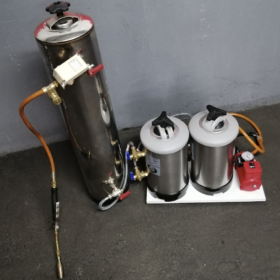
UPDATED – New tech to produce hydrogen from tap water
A Spanish scientist has developed a system that reportedly produces hydrogen on-site without expensive electrolysis. The prototype utilizes a water tank that is initially filled with water, ferrosilicon, and sodium hydroxide.
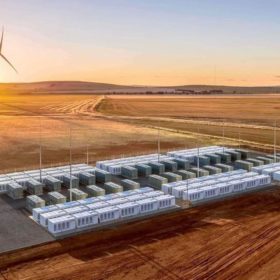
Tesla big battery begins providing inertia grid services at scale in world first in Australia
South Australia’s 150 MW / 193.5 Hornsdale Power Reserve, more commonly known as the Tesla Big Battery, will now provide inertia services to Australia’s National Electricity Market after securing approval from the Australian Energy Market Operator. Neoen says it is the first big battery in the world to deliver the service at such a scale.
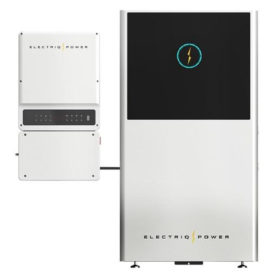
Electriq Power residential batteries beat the heat with backup power, smart time of use
A home battery paired with rooftop solar can provide backup power during rolling blackouts, shift power usage schedules to avoid peak demand charges, among other benefits.
