
Hybrid fuel cell-battery storage system for solar applications
Scientists in Thailand have built a hybrid system based on a 3 kW fuel cell and a 50 kWh lead-acid battery that is intended for storing solar power. They also sought to identify the best DC coupling voltage between the two devices in order to optimize their combined performance.
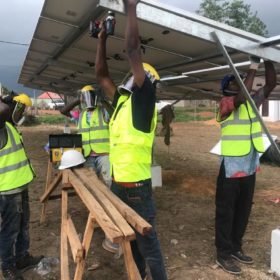
US developer lands $1.75m deal for Nigerian mini-grids
Former start-up Husk, which originally based its business on renewables powered by rice industry waste products, has agreed to develop seven solar-plus-storage mini-grids across rural communities in Nasarawa state.
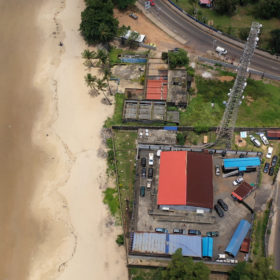
Broadband in Sierra Leone capital to be powered by off-grid solar-plus-storage
A 1.2 MW solar plant and ‘up to 2 MWh’ energy storage system will replace generators to power the city broadband network in Freetown from mid next year.
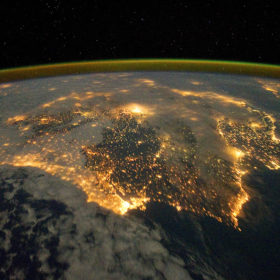
The Hydrogen Stream: Indian group makes bold green hydrogen claim as plans emerge for production capacity in Spain
The renewables-powered sustainable hydrogen announcements have come as a group of international researchers made controversial claims about the potential of gas-fired blue hydrogen to be part of the climate change solution.
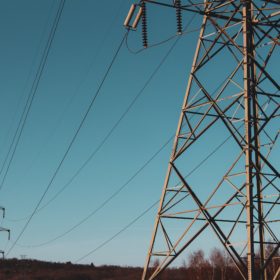
Energy storage projects can apply for inclusion in Euro network plan
Electricity transmission system operators from 35 European countries have opened the call for new storage and long-distance network projects that wish to be included in their next, Europe-wide ten-year grid development plan.
Fresh call for twice-yearly renewables auctions in the UK
A report published today states the British grid needs to become more flexible at a faster pace to stay on track for a net-zero 2050 and called for time-of-use electricity tariffs and for the government to stop dragging its heels on issues such as EV charging.
The Hydrogen Stream: New fuel cell tech for uncrewed ships, and a solar-powered hydrogen valley in southern Italy
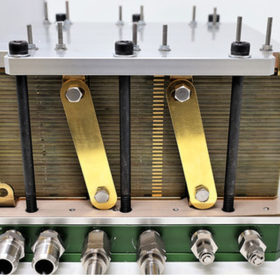
A printed circuit board-based hydrogen fuel cell for use in autonomous boats and ships has been engineered by a British consortium, and Italian energy companies Snam and Edison want to set up a 220 MW green hydrogen production plant powered by 380 MW of solar in Apulia.
Commission flags up €875m renewables project fund
A call for grant proposals has been promised this month, with the bloc’s executive yesterday firing the gun on a separate exercise related to cross-border EU energy infrastructure projects.

Designer bacteria for energy storage
A group of biologists in the United States working with a bacteria discovered a mechanism that could be used to convert electricity into biofuels or other useful substances. With better understanding of the genetics, the group says the mechanism could rival hydrogen for the storage of renewable energy.
Mobile solar unit to power green hydrogen at platinum mine
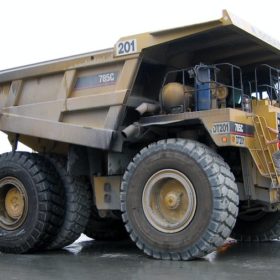
A 600 kW, container-based solar array will be used to electrolyze green hydrogen at a mine in Limpopo, South Africa after Engie signed a two-year lease for the mobile system, at Anglo American’s Mogalakwena site.
