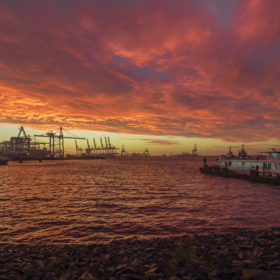
Port of Rotterdam micro-market trial boosts battery storage returns 20%
A small-area trial of artificial intelligence and blockchain-based energy trading software demonstrated big improvements across all renewable energy performance metrics. The port authority now wants the system across all its premises.
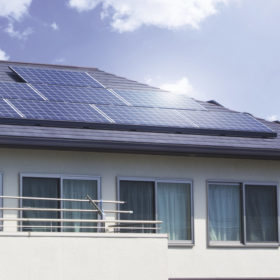
New trial could nix rooftop solar export tribulations in South Australia
As some parts of Australia’s distribution networks threaten to black out under the flow of rooftop solar exports, ARENA announces funding for a trial that will enable flexible exports in line with what the networks can bear. Smart software is the answer.
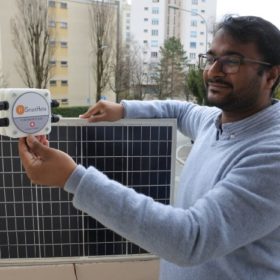
Swiss solar monitoring start-up raises $272,000
SmartHelio claims to have witnessed a near 200% jump in demand for its deep-data driven solar asset management solution, which plugs into solar panels or energy storage systems. Sales of the internet-of-things enabled, cloud product have leapt in the last six months.

Cost analysis shows off-grid-solar powered electrolysis potential of Australia and Chile
Scientists at the University of New South Wales have developed a model to determine the levelized cost of hydrogen (LCOH) by also considering historical weather data at specific locations. According to them, powering electrolyzers with off-grid solar offers the advantage of avoiding the expense of a grid connection and exposure to the risk of delays in both the physical connection and the approval process.
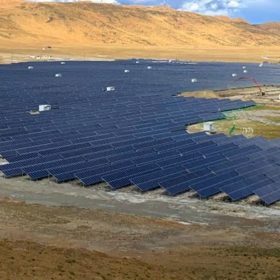
The world’s highest utility-scale solar plus storage project
Built in Gangba County, in Xigaze, Tibet, the 40 MW/193 MWh facility was deployed at more than 4,700m above sea level and is functioning as a demonstration project for the ancillary services the technology could offer the Tibetan grid.
By Ek! Northvolt raises $600m
The European battery manufacturer has raised the funds with a private shares placement which included the co-founder and CEO of music streaming service Spotify.
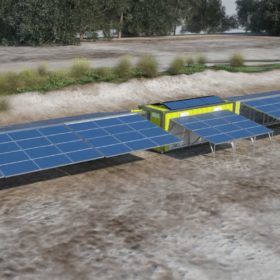
EDF buys 29% stake in French microgrid specialist Ecosun
Alsace start-up Ecosun is developing innovative microgrid solutions to provide electricity in isolated areas.
Australian utility gathers 100 MW of solar in pilot aggregation project
How can you get the gigawatts of distributed solar generation in the WA South West Interconnected System to play nicely with the network? Western Power has gathered 100 MW of resource to test its coordinated ability to stabilize the system on low-demand days.
Trafigura to develop 2 GW of renewables
Oil and metals trader will join forces with Australian investment group IFM to launch the new entity, which will develop solar, wind and energy storage projects – some of them supplying clean energy to Trafigura operations – as well as making acquisitions.
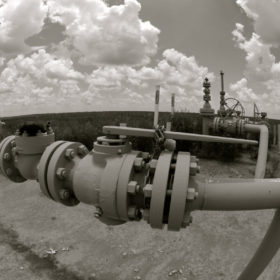
Georgia explores green hydrogen
The Caucasian nation could use its hydropower resources to generate the sustainable fuel for transport in its gas pipeline network. An agreement to cost the development of such an industry formed part of a deal which will see the EBRD lend the Georgian Oil and Gas Corporation €217 million to help it through a Covid-19-related cash crisis.
