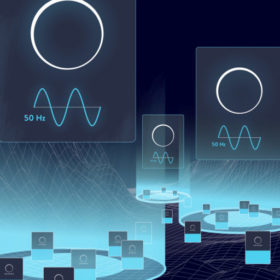
Software for virtual power plants powered by residential solar-plus-storage
With its sonnenVPP, German battery company Sonnen wants to improve the efficiency of virtual power plants which it says can offer primary balancing energy from houses with solar and storage and can operate up to 90% more cost-effectively.
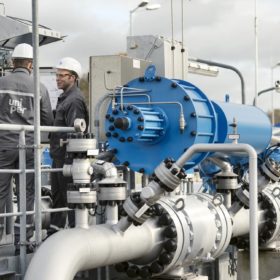
Bringing green hydrogen to market
German companies Uniper and Siemens will cooperate on joint projects to advance the use of green hydrogen and sector coupling. Conventional, gas-fired hydrogen production plants will be gradually transformed as part of the initiative.
Australian researchers enhance clean hydrogen electrolysis
Griffith University scientists have unlocked a catalytic process to enhance the breakdown of water into hydrogen and oxygen and bring Australia a step nearer clean, efficient hydrogen fuel.

All-organic, sustainable proton battery from Sweden
A group of scientists at Sweden’s Uppsala University have developed a proton battery based on abundant organic materials. They say the battery can be charged “in a matter of seconds” while operating at low temperatures, and can be cycled more than 500 times without significant capacity loss.

Australia to host 600 MW battery
French renewable energy developer Neoen plans to develop a massive battery storage system near the Australian city of Geelong that will dwarf its largest project to date, the 100MW/129MWh Tesla big battery in South Australia.
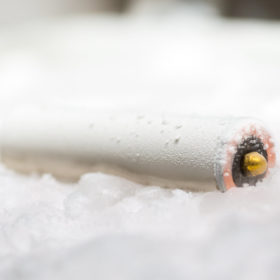
Looking back over lithium
Already responsible for changing the way we communicate and power portable devices, lithium-ion technology is now driving revolutions in both transport and energy supply the world over. A new paper published by Arumugam Manthiram of the University of Texas at Austin examines the technology’s development, from initial discoveries made in the 1970s to the considerations of today’s researchers working on the ‘batteries of the future’.
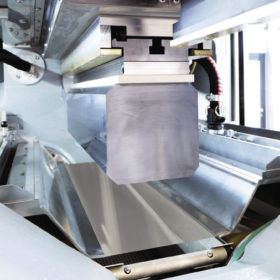
Covid-19 daily bulletin: Meyer Burger reduces working hours for staff
The Swiss equipment supplier already needed to shore up its bottom line and is now taking measures to help combat the spread of an epidemic which has also claimed November’s planned climate summit in Glasgow and an estimated 19% of this year’s demand for energy storage.
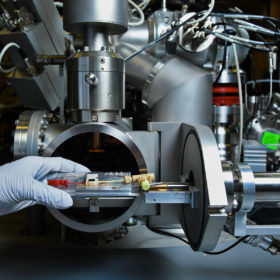
Carbon nanotubes pave the way for silicon in storage
Scientists in the United States have developed a carbon nanotube method of fabricating a lithium-ion battery with a silicon anode. The device reportedly demonstrated better than 87% capacity retention after 1,500 cycles. The developers say their discovery overcomes many of the obstacles to the use of silicon as an anode and could open up the use of other materials for electrodes in lithium-ion devices.

Covid-19 daily bulletin
pv magazine rounds up the latest Covid-19-related stories likely to affect the world of solar and energy storage.
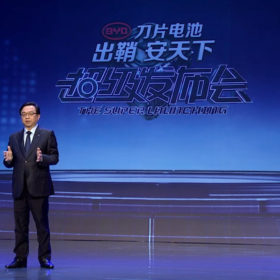
BYD launches Blade Battery for improved fire safety in electric vehicles
During an online launch event, a Blade Battery pack was pierced with a nail without becoming unstable or experiencing dangerous high temperatures. The company says the device will be safer during car accidents.
