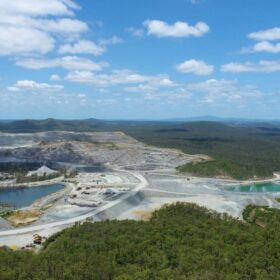
Australian miner pushes ahead with 20 GWh pumped hydro project
Evolution Mining is moving forward on a AUD 7 billion ($4.64 billion) plan to build a 2 GW/20 GWh pumped hydro electricity generation facility in the pit of a 20-year-old gold mine in Australia.
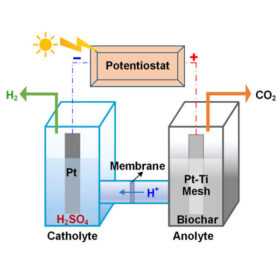
Producing hydrogen fuel from solar power and agricultural waste
Using 600% less voltage to produce hydrogen, a research team at the University of Illinois Chicago has developed a new method for splitting water.
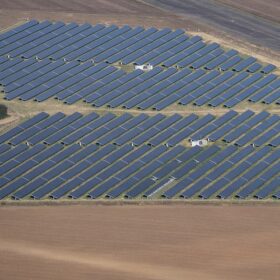
Apricus Generation buys stake in Nexus Renewables
US-headquartered Apricus Generation says it has acquired a controlling stake in Toronto-based Nexus Renewables – its first strategic acquisition.
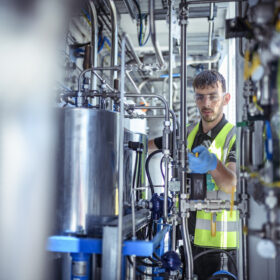
Clean Power Hydrogen launches membraneless electrolyzers
Clean Power Hydrogen (CPH2) is launching membraneless electrolyzers with cryogenic systems to separate hydrogen and oxygen. It is producing them in the United Kingdom and is collaborating with other companies for production in Germany and New Zealand. It says it expects 4 GW of combined production capacity by 2030.
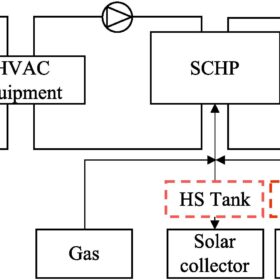
Japanese researchers unveil solar chemical heat pump system for buildings
The novel heat pump concept combines solar energy with chemical storage and reportedly consume 75% less electricity than conventional heat pumps. The system relies on a battery and a heat storage tank that can be used either separately or simultaneously, depending on the outdoor conditions.
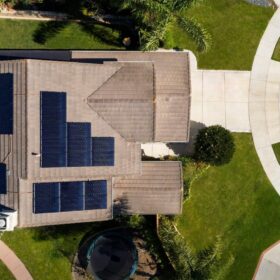
Texas leads VPP adoption with deregulated market
Texas is uniquely suited to adopt virtual power plant (VPP) technology due to its competitive, deregulated market. Its success highlights the “perverse incentive” of vertically integrated utilities in other US states to make capital expenditures without discretion to raise profits.
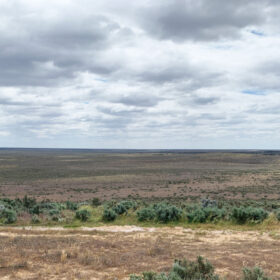
Australian developer plans 2 GW renewables project
Squadron Energy has filed documents with the state government of New South Wales, Australia, in a forward step on its proposed 2 GW Koorakee Energy Park, which will include a 1 GW solar farm and 1 GW of wind energy, backed by a 1 GW/12 GWh battery energy storage system.

Uzbekistan to build its first big battery
Nur Bukhara Solar PV LLC FE, a project company owned by Masdar, will deliver a 63 MW battery energy storage system alongside a 250 MW solar plant in south-central Uzbekistan.
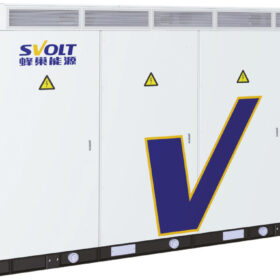
Svolt abandons plans to open battery factory in Germany
Chinese battery manufacturer Svolt has cancelled plans to open a plant in the German state of Brandenburg. Meanwhile, its plans for cell production in Saarland, southwest Germany, continue to be delayed.

Combining residential air heat pumps with air-geothermal heat exchangers
Researchers in Italy have found that combining residential air heat pumps with air-geothermal heat exchangers may reduce power consumption by up to 30%. They tested the proposed combination using Matlab in a passive single-family building located in Valtellina, northern Italy.
