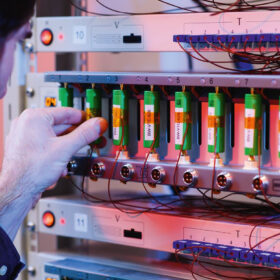
Weekend Read: Insuring against battery bother
It is extremely unlikely that a battery storage system will smoke, burn, or explode, despite a spate of recent reports. But what happens if something does go wrong? Do insurance companies pay out? Do premiums go up? How do insurers assess the issue?
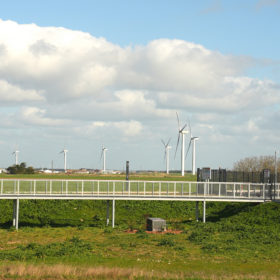
Lhyfe expanding hydrogen production with focus on offshore wind
Jérémy Langon, head of energy sourcing and site development for Lhyfe, tells pv magazine that the France-based hydrogen producer is focusing on a combination of renewable sources, including offshore wind, to scale up hydrogen production.
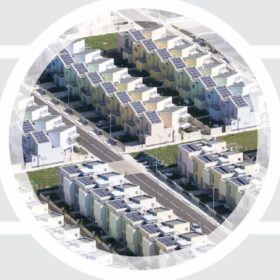
Strategies to develop ‘solar neighborhoods’
A group of scientists across the world have created a list of recommendations that can help create solar neighborhoods. In a recently published study they highlight the importance of legislative frameworks and advanced computing.
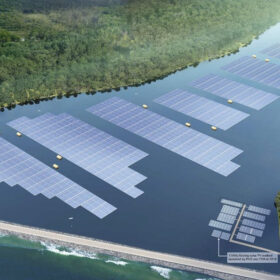
The ‘next big thing’
The PV industry in Southeast Asia has come a long way since guest author Ragna Schmidt-Haupt, partner at Everoze, reported on solar financing innovation in the region more than a decade ago. In this article, she outlines five factors for success, the newest of which has the potential to become a game changer, and not only in Southeast Asia.
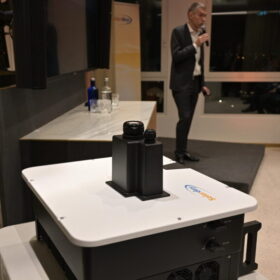
Solarday unveils new strategy, inverter line in Italy
Solarday presented its new commercial and industrial strategy at a recent event in Milan. pv magazine Italy spoke with Solarday Sales and Marketing Director Marco Vergani about the module manufacturer’s direct participation in large-scale installations and its new line of inverters.

Israel temporarily waives 600 KWh energy storage permits due to war
The Israeli planning regulator says that some storage facilities will not need permit approvals over the next 18 months.
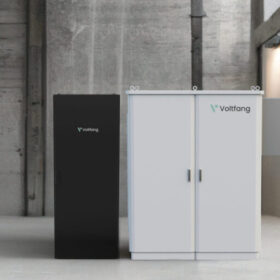
Voltfang launches ‘New Life’ commercial storage system with 45 KWh capacity
The battery storage system has 30 percent more power and capacity when compared to the German company’s previous model. The solution is particularly suitable for use in charging infrastructure, food-retail and commercial areas with high power peaks, the company claims.
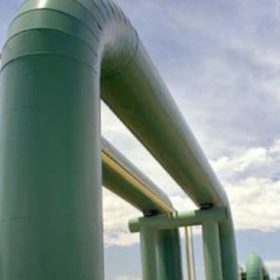
The Hydrogen Stream: Malaysia, Singapore mulling hydrogen pipeline
City Energy and Gentari have agreed to study the feasibility of building a hydrogen pipeline from Malaysia to Singapore.
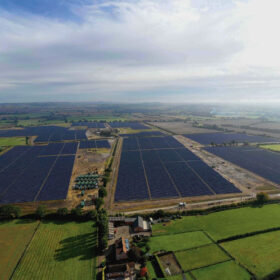
Co-location, co-location, co-location
Charles Lesser, who leads UK operations at Apricum, and Apricum Project Manager Alexandra Popova explain why the renewables consultancy is predicting a big rise in solar-plus-storage projects in Great Britain.
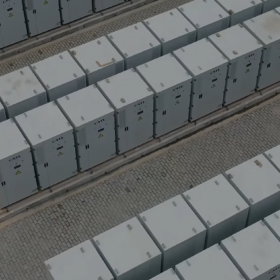
Brazilian regulator opens consultations on storage integration
Aneel, the Brazilian energy regulator, has launched a plan to implement new storage provisions in three phases. It has also defined storage resources and services to be provided this year and has outlined new rules for pumped hydro facilities in 2024.
