Lego owner to acquire majority stake in Enerparc unit
The two sides have agreed not to disclose the purchase price, but Enerparc’s management team will maintain a minority interest.
Enel moves on 13 GW pipeline, flips 6 GW of solar+storage
Enel acquired developer Tradewind Energy’s 13 GW portfolio of wind and solar+storage projects in the United States, and then immediately sold the 6 GW solar+storage portion to Macquarie.
Iberdrola abandons race to acquire X-Elio
With the Spanish utility out of the game, there are now only three bidders still struggling to take over the PV project developer.
EnBW set to acquire French wind and solar developer Valeco
The financial terms of the plan were not revealed. Valeco currently owns and operates 332 MW of renewable energy assets in France.

SMA posts €175 million loss for 2018
The German inverter producer’s sales also fell significantly in the past financial year. With its cost reduction program, SMA is now eager to orchestrate a turnaround, but its first-quarter guidance still shows a sustained downward trend.

Japan’s METI cuts C&I FIT by 22%
It is official: METI has cut the feed-in tariff for Japan’s C&I solar segment by 22% to roughly $0.13/kWh.
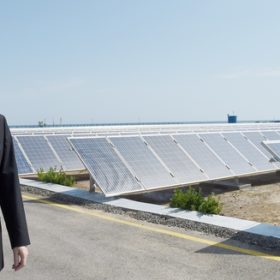
EBRD spearheads effort to auction off renewables in Azerbaijan
The European Bank for Reconstruction and Development (EBRD) has issued an open call to hire a consulting firm to help the government of Azerbaijan to design and launch auctions for renewable energy.

16 MW of UK solar could be ‘ghosted’ over deployment cap
Regulator Ofgem has said that 10 MW of small-scale solar projects have breached the deployment cap, leaving stakeholders uncertain about feed-in tariff payments. A failure to collect FITS could spell disaster for investors, says the U.K.’s Renewable Energy Association.

Canada’s new budget plan eyes efficiency, EVs and community energy
The new budget looks to lower the cost of energy for households by turning to distributed energy, energy efficiency and community energy programs. To this end, several billion Canadian dollars will be spent.
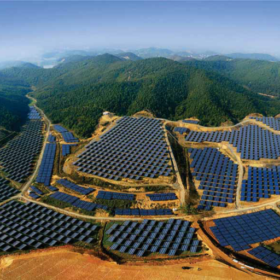
JinkoSolar shipped 11.4 GW of modules in 2018
Chinese module manufacturing giant JinkoSolar today published its financial results for the full year 2018. While the company achieved an impressive 16% growth in shipments over the previous year, its total revenue took a 5.4% hit compared to 2017, thanks to falling module prices throughout the year.
