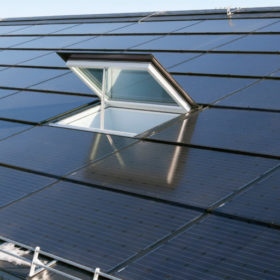
Switzerland’s third largest canton launches $3 million incentive scheme for solar-plus-storage
The scheme will provide incentives for solar-plus-storage projects for self-consumption, as well as for projects for virtual power storage.
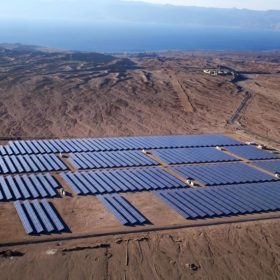
Jordan gets $265 million loan to improve grid capabilities, integrate more solar
The funds, provided by the European Bank for Reconstruction and Development, will help utility NEPCO repay short-term debt, as well as financing expansion of the grid’s capability to increase the share of solar and other renewable energy.
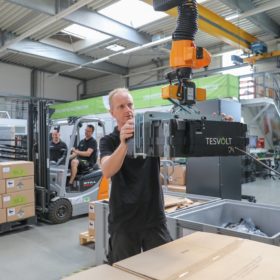
Tesvolt receives €2.15 million for serial production leap
The manufacturer of C&I storage systems has been awarded funding from the EU’s SME funding scheme to enable mass production of its systems. The company’s production site could see an additional 60 employees added over the next 24 months.
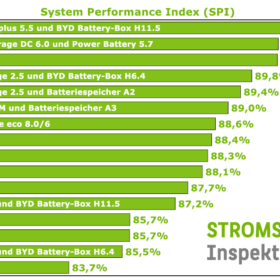
Kostal, RCT Power take the lead in storage system efficiency ranking
Researchers from Berlin’s College for Technology and Economics have determined a ‘system performance index’ for 16 residential storage systems. The index ranks systems according to economic efficiency. The compilers of the index say many manufacturers lack transparency regarding system performance.
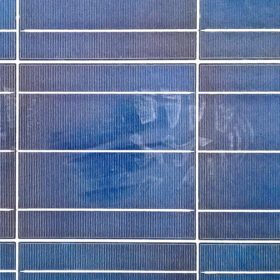
EU-funded initiative set to launch new anti-soiling coating
A project backed by the European Union’s Horizon 2020 program says it has developed a self-cleaning coating for modules which is also anti reflective and weather resistant. The project – SolarSharc – expects to launch the product next year.
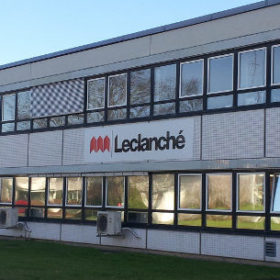
Leclanché plans for debt restructure helped by Swiss Takeover Board
Agreement to wave requirement for chief shareholder FEFAM to conduct a full takeover paves way for shareholders to vote through a debt-for-equity swap that will reduce the historic battery maker’s debts by a reported 65% next Tuesday.
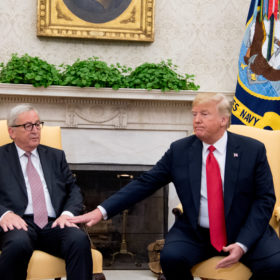
IRENA clarion call for G20 leaders may fall on deaf ears
In an advisory requested by Argentinian hosts, agency reports on the role solar can play in firing the energy transition up to 2050 – but was anybody listening?
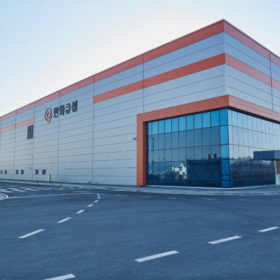
Hanwha Q Cells posts $165m loss in Q3
The South Korean PV manufacturer saw sales increase slightly in the last quarter. Net losses, however, more than quadrupled compared to the previous period.
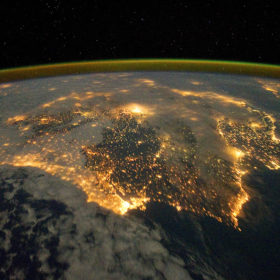
EU must step up co-ordination of renewable energy research
The chairman of the European Energy Research Alliance says the EU must bring national research centers together in a continent-wide effort before it is too late, and the COP24 meeting needs to send out a positive message to the world.
A vision of carbon neutral power around the globe by 2050
A scenario in which no additional oil, coal or nuclear capacity is built and renewables grow at a pace of 3-4%, would see solar comprise 69% of the global electricity system by 2050. According to an EU thinktank, such an effort would boost European manufacturing, creating jobs and prosperity.
