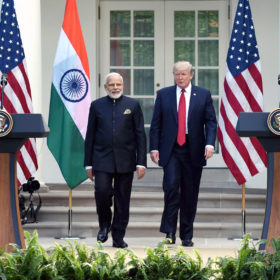
India wins WTO solar dispute against US
A World Trade Organization panel has found a U.S. move to incentivize the use of domestic solar products put imported goods from India and other countries at a disadvantage.
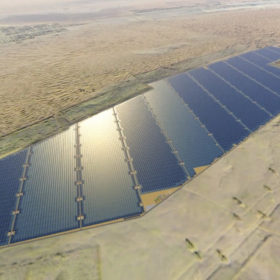
Jinko makes a convincing case as it upgrades mono capability
The Shanghai-based wafer, cell and module maker appears to be steering a steady course through a tumultuous period for the solar industry and its plans are another sign high-efficiency modules may soon have to do more to earn that label.
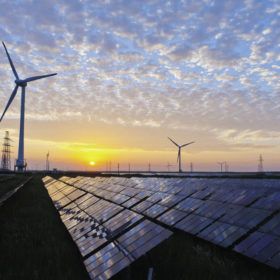
Virtual power plant maximizes performance of renewables assets during periods of energy oversupply
Using a VPP to regulate thousands of data points according to price signals can enable generation asset owners to take care of their systems within seconds and with very high granularity.

BIPV chance for successful energy transition in European cities
With buildings responsible for 36% of EU greenhouse gas emissions and half the bloc’s energy demand, European cities will have to accelerate deployment of renewable energy and foster substantial investment in energy efficiency to become carbon neutral by 2050. A new report has found ‘solar skins’ are well positioned to help achieve that goal and multiply the contribution of rooftop solar.

Nigeria taps mini-grids to power universities
Four Nigerian universities are in the final stages of abandoning the country’s main grid to be fully powered by mini-grids. Nigeria aims to use more mini-grid technology to power its people by tapping a $550 million World Bank loan.

Talesun pivots Thailand fab towards sanctioned US market with high efficiency retrofit
The Chinese manufacturer has embarked upon an upgrade of 1.5 GW of its module production lines which is set to be completed this year. Previously used to get around trade restrictions applied by the EU, the Thai facility will now produce output for the U.S. market.

ReneSola needs to sell projects as Romanian loan deadline looms
The Shanghai company’s decision to go forward as a pure play developer puts it at odds with its peers and the diminishing margins reported in its Q1 figures illustrate why it may prove to be a high-stakes gamble to bet against manufacturing.

Akasol plans to build new battery factory near Detroit
The German battery manufacturer will make products for electric trucks and buses at the facility, which is expected to employ 200 workers and produce 400 megawatt-hours of batteries annually.
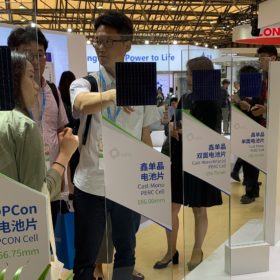
Cell and module prices falling in China
Taiwanese analyst Energytrend saw prices for high power products fall over the past week, but so far only in China. That trend could be replicated around the world next week, however.

New Danish government roadmap displays climate ambition
Joining the growing club of European countries setting carbon neutrality deadlines, new Danish PM Mette Frederiksen has announced her administration will look at reducing greenhouse gas emissions by 70% by 2030.
