India a $50bn market for energy storage, says US energy firm chief
Given its ambitious goal of achieving 175 GW of renewable power generation capacity by 2022 – and push for electric mobility – the world’s second most populous nation presents a potentially huge investment opportunity.
Rising Nordic power prices lifted Statkraft’s fourth-quarter results
The Norwegian renewable energy company cited rising prices, cost reduction plans and lucrative transactions as the main reason for its positive update. The average Nordic energy price in the quarter was €47.7/MWh, an increase of 56% from the same period a year earlier.

World’s first solar-powered passenger car on roads next year
A Dutch start-up has designed an electric vehicle that runs solely on solar energy, and aims to deliver its first models next year. The car will also be available to lease.

US solar installations grew in 2018 despite tariffs
Clean energy analyst BloombergNEF says the U.S. installed 11.7 GWdc last year – 15% more capacity than earlier estimated – as well as 292 MW of batteries. Despite new solar and wind growth, and coal closures, however, emissions still rose from 2017 levels on the back on increased gas use.
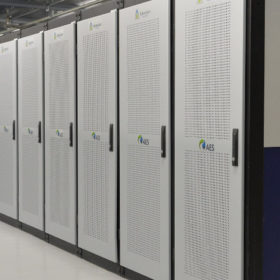
India gets first grid-scale battery energy storage system
The 10 MW system at Tata Power Delhi Distribution’s Rohini substation is said to be South Asia’s largest.
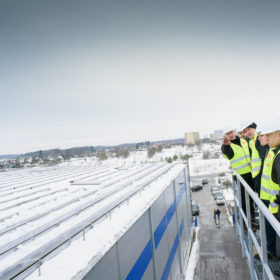
Baltic’s largest PV rooftop inaugurated
The region’s largest rooftop solar system has been mounted on a plastics factory in Lithuania. The 1.4 MW site’s inauguration was attended by 100 high-level guests from the nation’s business community.

IFC anchors green bond for 5 GW of renewables in east Asia and Pacific
World Bank sister organization the IFC has made a $75 million commitment to a green bond recently issued by Philippines based developer AC Energy. Vietnam’s sub-standard financial sector performance has prompted the Asian Development Bank to suggest green bonds could best leverage the country’s renewable energy targets.

ABN Amro takes majority stake in Dutch PV module testing company Eternal Sun
The controlling interest in Eternal Sun group was acquired by the Dutch bank’s Energy Transition Fund. The value of the transaction was not revealed.

Abu Dhabi utility fires starting gun on 2 GW solar project
A giant project is planned in Adhafra, near Abu Dhabi. Interested developers have until March 5 to prequalify for the tender.
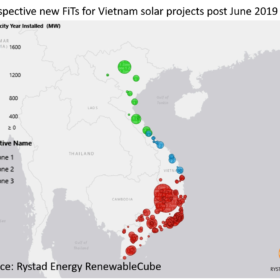
Vietnam mulls multi-layered FIT scheme as it kicks energy transition into gear
With its feed-in tariff set to expire at the end of June, Vietnam is considering different levels of payment, classified across three irradiation regions and involving four solar technologies. Future payments would range from $0.0659-0.0985/kWh, with the cloudy north in line for the highest tariffs and with the government likely to revise tariffs for new projects every two years.
