Vertical integration in solar? Harder than it looks
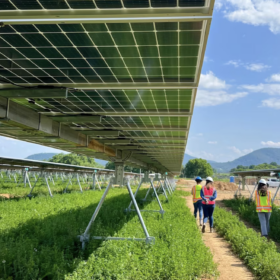
While owning customer relationships and generating assets is enticing, it’s not as straightforward as it might seem, according to Zoë Gamble of CleanChoice Energy.

Abandoned US nuclear site to host 16,000 MT polysilicon plant
Highland Materials will build a 16,000 metric ton (MT) solar-grade polysilicon plant on a former US nuclear project site, under a long-term lease with Pivotal Manufacturing.
IFC loans $250 million for Oman polysilicon project
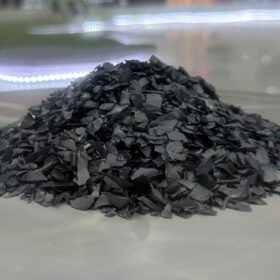
The investment package features a $200 million loan for the implementation of the project and a $50 million preferred equity investment. The approval is said to have been opposed by several members of IFC’s board of executive directors.
Egypt-UAE joint venture wins Ivory Coast solar tender at €0.0310/kWh
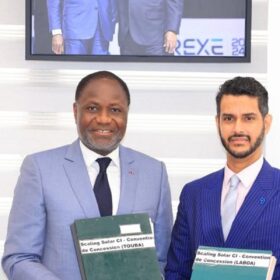
Infinity Power submitted winning bids of €0.03310 ($0.039)/kWh and €0.03213/kWh for two solar projects totaling 80 MW, marking the lowest tariffs secured by an independent power producer in West and Central Africa.
Africa’s solar capacity surpasses 20 GW
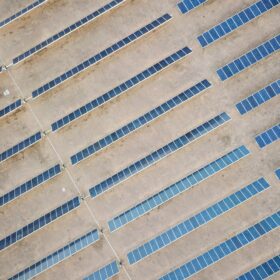
Africa’s solar capacity has exceeded 20 GW, with more than 10 GW of projects under construction, led by utility-scale solar, which represents 70% of ongoing development, according to the Africa Solar Industry Association (AFSIA).
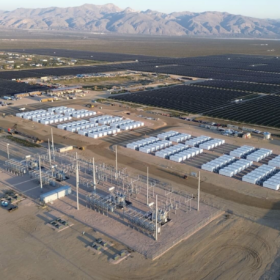
California activates $2 billion solar and energy storage facility
Arevon Energy has completed the $2 billion, two-phase Eland solar-plus-storage project in Kern County, California, which will supply about 7% of Los Angeles’s electricity demand.

Indonesia unveils plan for 100 GW of solar
The new initiative features plans for 80 GW of 1 MW solar minigrids with accompanying battery energy storage, to be deployed across 80,000 villages, alongside 20 GW of centralized solar power plants.
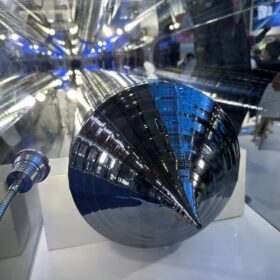
Is China’s $7 billion plan to reduce polysilicon overcapacity feasible?
OPIS, Wood Mackenzie, and Bernreuter Research have spoken with pv magazine about China’s alleged $7 billion plan to reduce polysilicon oversupply and restore a sustainable pricing environment for the PV supply chain, but opinions remain divided on its feasibility and effectiveness.
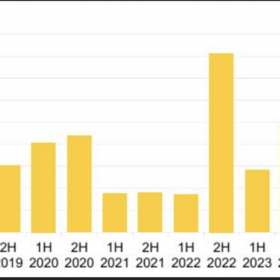
Australia faces slowdown as investment in solar and wind falls 64% in 2025
Investment in new large-scale solar and wind in Australia fell by 64% year on year in the first half of 2025 as grid bottlenecks, slow planning approvals, higher costs, and social licensing issues took a heavy toll.
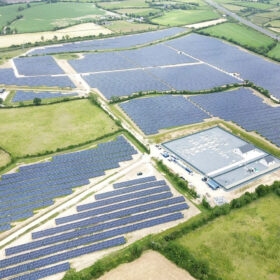
Ireland to meet 2030 target of 8 GW solar, claims Wood MacKenzie
Wood MacKenzie predicts that Ireland will meet its 8 GW 2030 solar target but wind, heat pumps, and electric vehicles (EVs) are all lagging behind theirs. Ireland’s current installed solar capacity is just under 2 GW, but this could be increased thanks to favorable policy, grid investments, and energy storage.
