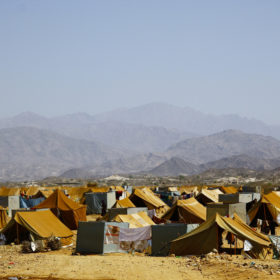
United Nations provides more funding for solar in Yemen
Solar energy is expanding at a fast pace in the Middle East, including in Yemen, a country which has been plagued by conflict since 2015. Now the United Nations International Development Association (IDA) is injecting another US$50 million to provide urban communities with solar power.
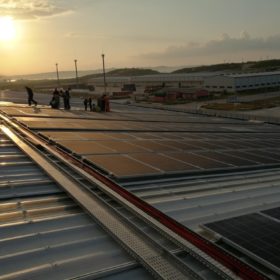
Cuba introduces net metering for solar, renewables
According to local association, Cubasolar, the Cuban government introduced Law No. 345 at the end of March. The new rules will come into force after their publication in the country’s official journal.
Ukraine’s operational solar capacity reaches 841 MW
According to new provisional numbers released by the Ukrainian government, around 100 MW of new solar PV power stations were connected to the country’s grid in the first quarter of 2018.

Indian government initiates anti-dumping investigation for the imports of EVA film for PV modules
RenewSys India has submitted a petition to the Directorate General of Anti-Dumping & Allied Duties for the imposition of anti-dumping duties on imports of Ethylene Vinyl Acetate sheets for solar modules from China PR, Malaysia, Saudi Arabia, South Korea, and Thailand. Evidence of dumping has been found.
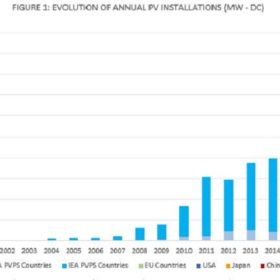
IEA PVPS: Slow growth without China
In recent years, the International Energy Agency has consistently been far too conservative in its renewables forecasts. For the last year, it reported solar growth of almost 100 GW. It said, however, that if China were excluded from this balance sheet, growth would be relatively low.
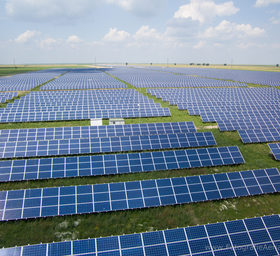
Romania’s PV capacity grew by only 3 MW in 2017
The Romanian solar PV market has ground to a halt, following the expiration of the green certificate scheme for large-scale renewables. New provisions for net metering and distributed generation, however, may come into force soon.
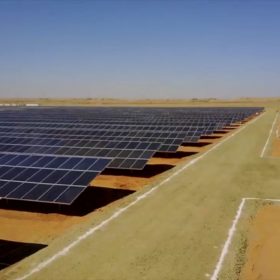
Egypt seeks to define new auction mechanism for solar and wind
The European Bank for Reconstruction and Development (EBRD), which is now assisting the Egyptian Electricity Transmission Company (EETC) for the tendering of two solar PV projects, is seeking consultants to help the country’s transition from FITs to auctions.

Shell readies for energy transition, reports low risk of stranded assets
Coming hot on the heels of its Sky report, which envisaged a very strong role for renewables, particularly solar, well before 2050, the Anglo-Dutch company has now released a new report on a strategy for the energy transition, seeking to reshape itself and contribute to society’s shift away from fossil fuels towards the objectives of the Paris Agreement.

Wind has no chance against PV in Germany’s mixed wind-solar auction
32 to 0 for solar PV – that’s the result of the first technology-neutral tender. The average final price of €0.0467 per kWh was slightly above the solar-only-tender held in February.
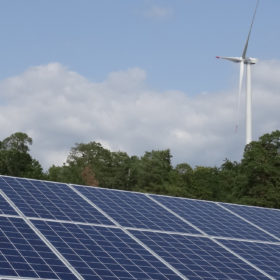
Portugal: Renewables are driving down electricity prices
In March alone, renewable energies covered 103.6% of the country’s total power consumption, a performance which was mainly driven by wind and hydropower. As a result, the average power price on the daily spot market dropped year-on-year, from €43.94/MWh to €39.75/MWh.
