
Global solar supply chain under scrutiny
The discussion about the extent to which forced labor exists in the solar value chain continues. A video, a university report, a ministerial response and a parliamentary machinations formed notable developments of the debate last week.
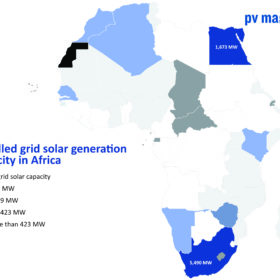
Solar dried up in North Africa during 2020
Politicians across the continent will have to decide between their heavily-indebted state utilities or embracing the energy transition, according to one energy analyst.

Estonian companies working on a green hydrogen value chain in 5 to 10 years
Estonia relies heavily on oil shale, which accounts for 4% of the country’s GDP. The Baltic state is working to increase green hydrogen production, but PV is projected to maintain a marginal role despite the recent growth. We spoke about it with Estonian energy company Alexela and cleantech start-up PowerUP Energy Technologies.
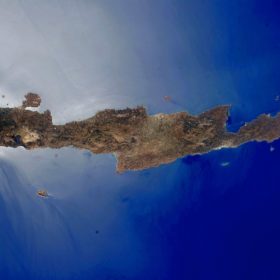
Greece developed 1 GW of solar in 2020 and has linked Crete to the mainland grid
Statistics published by Greece’s leading solar association show the country constructed 913 MW of new photovoltaic systems last year. Meanwhile, Greece’s largest island has been connected to the mainland power network by what has been described as the world’s longest subsea AC cable.
Romania preps auction scheme for large-scale solar, renewables
The scheme is expected to be issued within 18 months. According to law firm Schoenherr Romania, there is a growing appetite for large-scale solar projects in the country among investors.
IEA highlights solar’s dependence on Chinese copper processing
The sheer volume of new power lines which will be required to accommodate the rising tide of solar installations ensures copper has been included by the International Energy Agency on its list of minerals which must keep flowing if the energy transition is to stay on course. And it’s not production that’s the potential bottleneck.
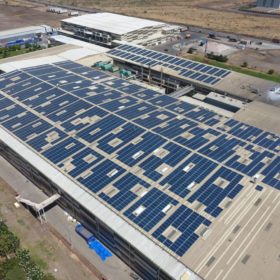
Rooftop solar uptake in India: Challenges and way forward
Poor and piecemeal implementation of net metering policies is a major roadblock for the uptake of rooftop solar system in India, according to a new report by Asian Development Bank.

A solar atlas for Qatar
The atlas uses existing ground measured radiometric data that have been compared with available solar radiation data derived from satellite image.
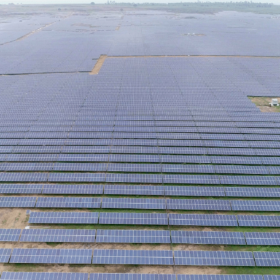
Ernst & Young ranks India as world’s most attractive solar market
India achieved the highest score of 62.7 for solar in the latest edition of Ernst & Young’s renewables attractiveness index. It ranked third for overall renewable energy investment.
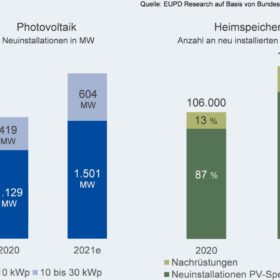
Germany may install 150,000 residential batteries this year
German market research company EUDP Research expects 85% of the new storage systems will be used in new PV systems and 15% in existing installations.
