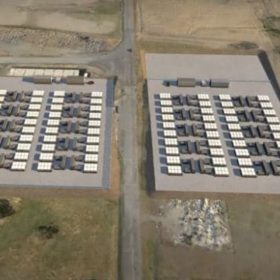
Australia’s AGL secures planning approval for proposed Loy Yang big battery
Australia’s largest energy gen-tailer, AGL, says it has received approval for a 200 MW/800 MWh grid scale battery to be developed at the site of its coal-fired Loy Yang power station in Victoria’s Latrobe Valley.
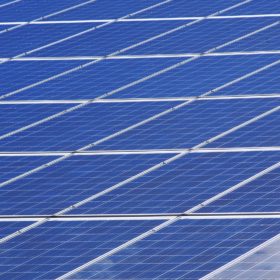
Central Electronics Limited tenders 95 MW of solar sites in Indian state of Maharashtra
The successful contractor will install the arrays in blocks of 2-10 MW and will carry out all stages of installation, from site surveys through to 12 years’ operation and maintenance.
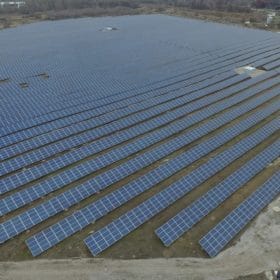
A net-zero Canada would need 1.6 GW of solar per year from now on
Clean energy trade group the Canadian Renewable Energy Association has told policymakers CA$8 billion worth of solar and wind projects will be needed each year to decarbonize the electricity supply by 2035 and remove net emissions by mid century.
European Commission approves €2.3bn renewables incentive plan by Greece
Competitive bidding for onshore solar and wind will establish a clean-power strike price acceptable to successful developers under the contracts-for-difference approach. The incentive scheme is also applicable to biogas, biomass, landfill gas, hydropower, concentrated solar power, and geothermal plants.

New German government coalition wants to deploy another 143.5 GW of solar this decade
The new plan would require the deployment of around 15 GW of new PV capacity each year to 2030. The agreement also includes the gradual phasing out of all coal power plants by the end of the decade.
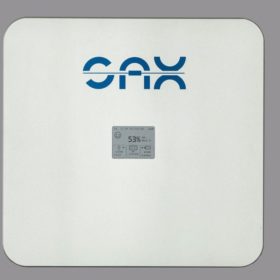
Germany will continue to dominate European home battery market – no matter who is in government
Industry association SolarPower Europe expects little change in the line-up of Europe’s biggest residential battery markets in four years’ time, with a rush of retrofits as turn-of-the-century solar feed-in tariffs begin to expire, set to keep Germany way ahead of the pack.

Bangladesh’s largest solar plant due online next month
The $143 million, 280-acre project in southwestern Bangladesh will have a generation capacity of 100 MW thanks to 250,000 Longi Hi-MO5 modules.
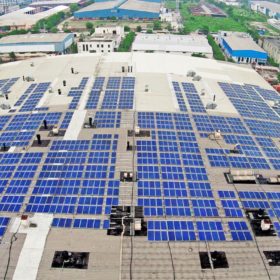
Indian developer Azure Power secures sale of electricity from 600 MW of solar projects
The company has landed the signature of state-owned body the Solar Energy Corporation of India, which awarded Azure 4 GW of solar farms in return for the developer committing to set up 500 MW worth of cell and module production lines.
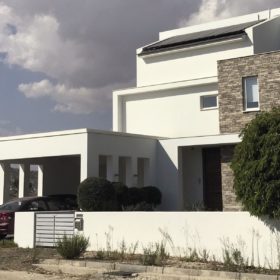
The weekend read: Building a new urban solar policy environment
Since the beginning of 2021, all new buildings constructed in the European Union must be “nearly” zero energy. This is a complex task requiring synergies among various stakeholders and technologies. Ilias Tsagas provides insight into the drivers and challenges toward this set goal, and shines a light on solar’s most significant role.
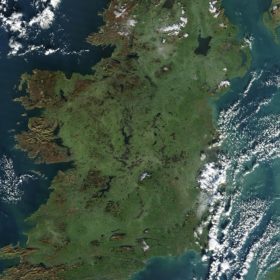
Ireland cites need for 1.9 GW more solar this decade to stay on track for net zero
Although wind power dominates the renewables scene in the Republic of Ireland and the North – and even natural gas has a bigger role to play – the grid companies of the neighbors have revised up their estimates of how much solar will be needed, after talking to the public and industry.
