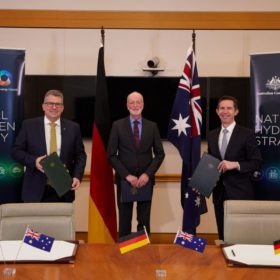
Australia and Germany shake hands on green hydrogen future
The two nations have brought their national hydrogen strategies together after signing a new agreement for a joint feasibility study into green hydrogen production and trade. The agreement was welcomed around the country as auspicious of Australia’s potential as a global green hydrogen superpower.
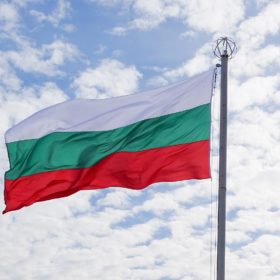
Bulgaria wants another 2.6 GW of renewables by 2030 – and coal
The government’s energy strategy targets new clean energy capacity this decade but all existing coal power plants will also remain active, gas pipelines could be upgraded and new nuclear facilities deployed.
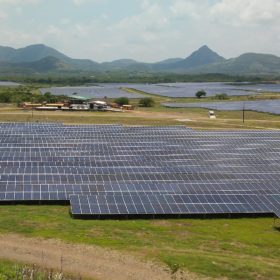
Gujarat opens 210 MW solar tender
Developers now have until September 23 to lodge bids for an earlier, 110 MW procurement round and can also toss their hat into the ring for a new tender in the district of Jamnagar which closes on October 5.
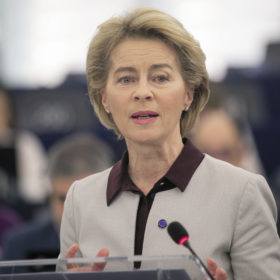
Divisions emerge ahead of EU Climate Law and Just Transition bill reading
The weeks ahead could prove decisive for the bloc’s decarbonization ambitions as the European Parliament prepares for several votes and legislative proposals from the commission. The European Climate Law and the Just Transition Fund are critical parts of the European Green Deal but remain points of contention at Brussels.
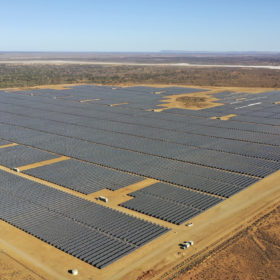
EU Green Recovery plan could support 2.3 GW of Spanish solar project capacity
Three big projects are candidates for support from the Covid recovery plan laid out by the bloc.

Covid-19 weekly round-up: Australian states target green recovery as France devotes €30bn to energy transition
Clean energy power plants will figure prominently as Queensland and Victoria bid to reset their economies for a post-coronavirus world. France suffered a hit to its new solar deployment figures in the first half of a Covid-hit year but its neighbor appears to have no such concerns.
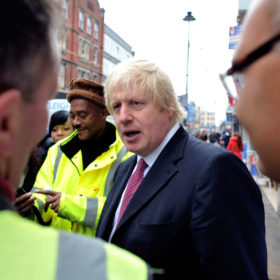
UK Citizens’ Assembly speaks highly of solar – but is government listening?
Some 81% of the everyday folk asked how the U.K. should realize its net zero 2050 ambition said solar should be part of the mix and views were also aired on electric and hydrogen transport, home heating and how to incentivize companies to embrace a circular manufacturing model.
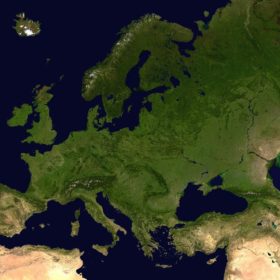
Panda Green begins recovery as director dramatically ousted in shareholder vote
All the indicators are pointing gradually in the right direction as new owner Beijing Energy bids to put a torrid year behind the solar developer and the company has announced its intent to enter the European solar market and explore hydrogen and energy storage.
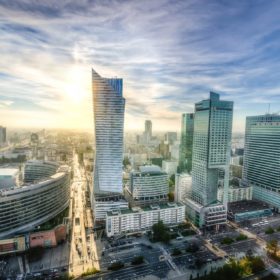
Rising number of grid-connection permits shows 2020 could be another record year for Polish solar
Data from the Instytut Energetyki Odnawialnej shows 1.3 GW of solar projects secured preliminary grid-connection permits in the first half, with around 600 MW securing final approval. Last year, preliminary approvals totaled around 2 GW and final awards 730 MW.
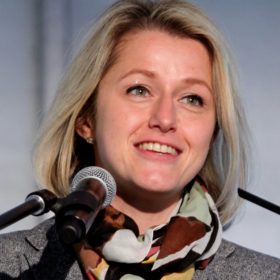
France wants 6.5 GW of hydrogen capacity by 2030
Government ministers Barbara Pompili and Bruno Le Maire today unveiled a national strategy for carbon-free hydrogen to the French Association for hydrogen and fuel cells and other major players in the state’s hydrogen economy.
