
The world will add 142 GW of new solar this year
IHS Markit has predicted another year of global solar growth but a peek behind the headline figures shows uncertainty dogging the markets of China and India, two of the most important markets and biggest polluters.
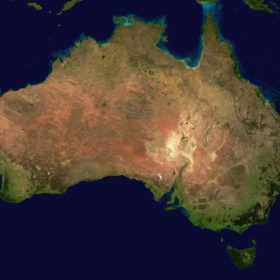
A Green New Deal for Australia?
The cataclysmic bushfire season ravaging the nation is a reminder of the risk climate change poses to Australia’s economic and social prosperity. An international roadmap to freedom from fossil fuels by 2050 produced by the U.S.’ Stanford University says Australia needs another 280 GW of solar and tens of billions of dollars of investment to turn down the heat.

Bolsonaro scraps solar tax planned by Brazilian regulator
The Brazilian president said the potential introduction of a grid fee for net metered solar systems will be eliminated thanks to an urgent ad-hoc decree expected to be approved soon by parliament. The proposed ‘solar tax’ would have affected all new PV installations with a generation capacity of no larger than 5 MW under Brazil’s net metering regime.
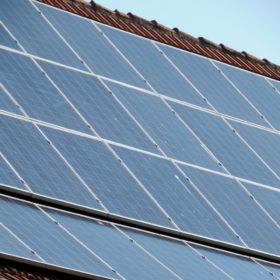
Net-metered rooftop PV on the rise in Malaysia
Sustainable Energy Development Authority figures show the country saw around 94 MW of new rooftop generation capacity added in the first 11 months of last year. That compares to less than 14 MW in the previous three years.
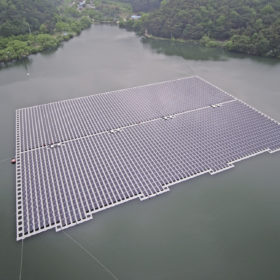
Vietnam to hold auctions for 400 MW of floating solar
Following its decision to switch from fixed feed-in tariffs to reverse auction bidding for the setting of solar incentives, the Vietnamese government has decided to devote the first two pilot auctions to floating PV. A first procurement exercise, for a project which could reach 100 MW of generation capacity, will be held this year.
AECEA says China will add up to 31 GW of solar this year
The analyst expects the final figure for new PV generation capacity in 2019 to top out at 20-24 GW thanks to the delayed introduction of a new solar policy, land scarcity, financing problems and grid connection issues. There are clouds on the horizon too, with China set to remain wedded to coal for the foreseeable future.

Panda Green extends deadline for accepting debt restructuring proposal
The indebted developer has been forced to extend the period during which the holders of $350 million of senior notes can decide whether to delay settlement by two years.
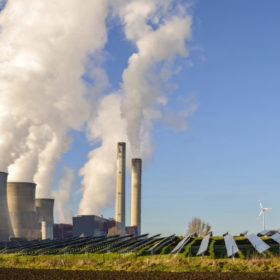
India reportedly considering waiving carbon tax on coal
As Germany shuttered another of its nuclear power plants on New Year’s Day, the office of Indian prime minister Narendra Modi was said to be considering a proposal which would make coal more competitive with renewables in one of the world’s worst polluting nations.
Solar-plus-storage will start to make big inroads in the year ahead
By this time next year we may be able to wave goodbye to that old chestnut about renewables endangering security of supply. Elsewhere, the price of lithium – and the products it goes into – could go either way after tanking this year.
Indian PV to take off after gloomy 2019
India’s annual solar installations are set to exceed 10 GW in 2020, following a year marked by political uncertainty, module price increases associated with safeguard duties, and a lower number of awarded tenders. The outlook for battery energy storage installations for solar projects is particularly bleak, however, as such combinations in India can cost three to five times more than standalone renewable projects.
