
Japan’s METI cuts C&I FIT by 22%
It is official: METI has cut the feed-in tariff for Japan’s C&I solar segment by 22% to roughly $0.13/kWh.
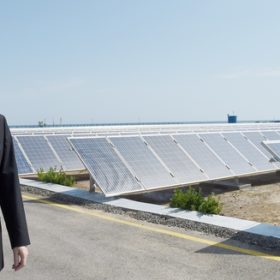
EBRD spearheads effort to auction off renewables in Azerbaijan
The European Bank for Reconstruction and Development (EBRD) has issued an open call to hire a consulting firm to help the government of Azerbaijan to design and launch auctions for renewable energy.

European Parliament approves electricity market design proposal
The European Parliament has approved the final four pieces of legislation in a proposal from the European Commission. With that, the Clean Energy for All Package is now complete and is only waiting for support from the Council of Ministers.
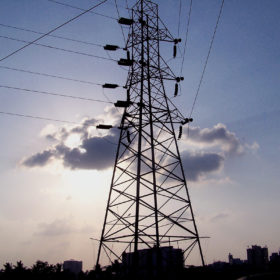
India to open bids for $5bn of new transmission lines
In response to feedback from the domestic renewable energy sector, the Indian government has revealed plans to launch $5 billion of tenders for new transmission lines, starting in phases from this summer.
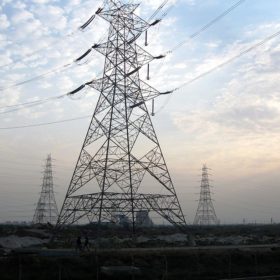
China, US and India drive energy demand up by 70% — IEA
Global electricity demand rose by 4% in 2018, nearly twice as fast as overall energy demand, as consumption edged up by 2.3%, according to a new report by the International Energy Agency (IEA). Renewables accounted for 45% of the growth in generating capacity.

Puerto Rico to officially go 100% renewable
Senate Bill 1121 has been given final approval by the Puerto Rico legislature and is headed to the desk of Governor Ricardo Rosselló. When passed, it will make the island the fifth U.S. state-level jurisdiction to establish a 100% zero-carbon and/or renewable energy mandate.
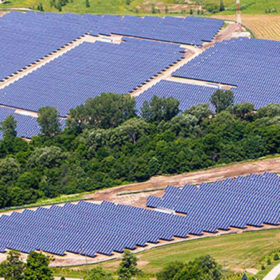
Ontario to source electricity from auctions from 2022
The Independent Electricity System Operator (IESO) in the Canadian province of Ontario has revealed plans to launch annual capacity auctions in a bid to reduce electricity costs for households.
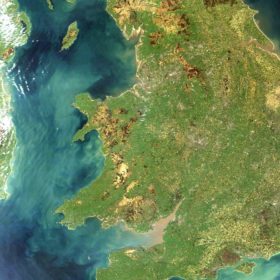
16 MW of UK solar could be ‘ghosted’ over deployment cap
Regulator Ofgem has said that 10 MW of small-scale solar projects have breached the deployment cap, leaving stakeholders uncertain about feed-in tariff payments. A failure to collect FITS could spell disaster for investors, says the U.K.’s Renewable Energy Association.
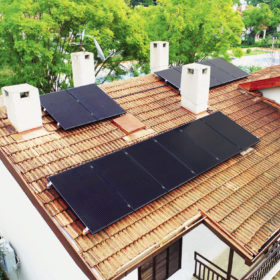
The weekend read: Land of the Crescent Sun
Despite its abundant solar resources, Turkey’s potential for solar energy development remains largely untapped. Although the market grew considerably between 2017 and 2018, the outlook for the next two years, due to the macroeconomic situation and the current regulatory framework, appears rather gloomy. If regulations will not be changed, and tenders for large-scale solar remain unimproved, unsubsidized PV and self-consumption may remain the best options available to seek more growth.
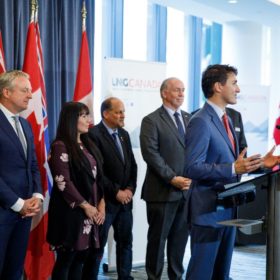
Canada’s new budget plan eyes efficiency, EVs and community energy
The new budget looks to lower the cost of energy for households by turning to distributed energy, energy efficiency and community energy programs. To this end, several billion Canadian dollars will be spent.
