New energy regulation in Germany details 2019 changes for PV industry
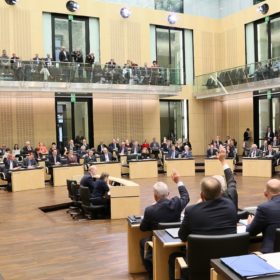
As expected, Germany’s second chamber of parliament has passed a new package of laws. They will enter into force on January 1, 2019. Among the the changes are the extraordinary FIT cuts for rooftop systems between 40 and 750 kW in size for February, March and April, and new tenders for wind and solar totaling 4 GW.

Solar not in COP24’s spotlight
As the dust settles on an imperfect, but still welcome, international agreement thrashed out at COP 24, the chairman of the European Energy Research Alliance has criticized the solar industry for its lack of representation in Katowice.
Fine is mounting up against FAS
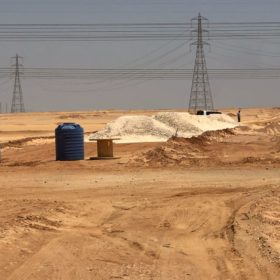
The Saudi developer is reportedly suffering fines of $700/MW/day for late delivery of a project at the Benban solar complex in Egypt as 180 MW of plants near completion.
UK: A hard Brexit would add millions to consumer electricity bills
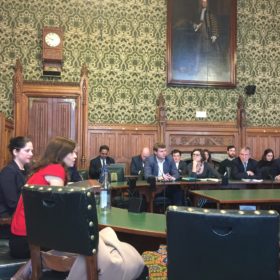
All round, it has been an interesting week for the U.K. to say the least, and the energy sector was no exception. In addition to the country’s All-Party Parliamentary Group for Renewable and Sustainable Energy (PRASEG) organizing a debate on the Capacity Market; a forum in London discussed grid operator’s flexibility; and a new report was released claiming a hard Brexit would add millions to consumer electricity bills.

SolarPower Europe’s Watson: ‘I will never speak out against renewables’
It was EPIA when he joined, and the European and global solar industry was a very different place. Outgoing CEO of what is now SolarPower Europe, James Watson has presided over a transformative period at the organisation, and departs to head up Eurogas right at the point the region’s solar sector is set for revival. Advancing a power-to-gas agenda, Watson says, will be a big part of his new challenge.
The ‘solar module cartel’ avoiding EU minimum import tariffs
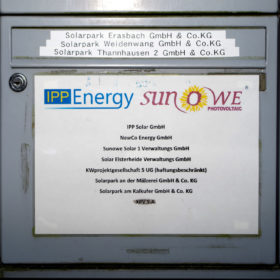
Six lawsuits have been filed against Sunowe employees accused of evading €20 million of European anti-dumping and anti-subsidy tariffs. The case, now dubbed the “Solar module Cartel”, also involved the deputy district administrator of Erlangen-Höchstadt.
CREO 2018: A new era in the Chinese energy transition
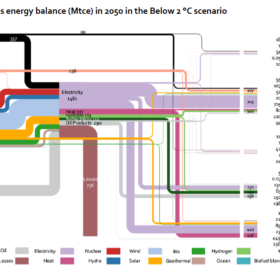
A new era in the Chinese energy transition is on the menu and renewables are the order of the day, according to the latest China Renewable Energy Outlook (CREO). China will not require a gas bridge between coal and renewables, it finds, adding that renewables will become the core of the nation’s energy system by 2050, with annual PV installs of between 80-160 GW possible. Not only that, but electricity supply could be cheaper in this future than it is today.
EBRD unveils new energy strategy without coal or oil, looks to mobilize €1 billion in private sector capital
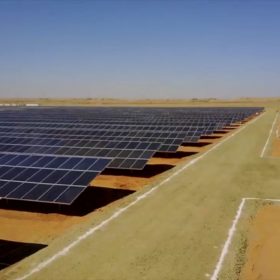
The European Bank for Reconstruction and Development yesterday unveiled its new energy sector strategy, which aims to ramp up renewables investment, while moving away from coal and oil. Gas will still remain a focus, however. It has also announced this week, plans for a €250 million green bond framework, through which it hopes to double the issuance of green/sustainability bonds in its active regions; and mobilize €1 billion in private sector investment over the next three years.

EnerGaïa: Solar will be main pillar of France’s energy transition
The French renewable energy fair confirmed the central role of solar in the country’s energy transition. Despite the current difficult political situation, the event attracted more visitor and exhibitor numbers than ever. Read on to discover the four key takeaways from this year’s EnerGaïa.
New renewable funding mechanisms higlighted for China – report
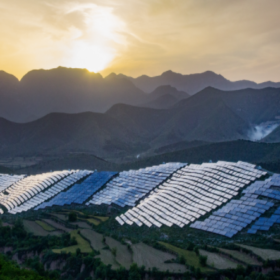
In light of the massive Renewable Energy Development Fund deficit, China is looking for new ways to support the further deployment of renewables. German Energy Agency, Dena has prepared a new report, detailing how the country can move away from FITs to a more sustainable financing framework. Overall, it points to the increasing importance of auctions; and discusses how the right policy design can improve the cost competitiveness of renewable energies.
