
Solar installations see an unprecedented boom in Estonia
The Baltic nation installed 90 MW of PV last year, four times more than it had done since it began adopting solar. The growth was down to a new regulation issued by the government in June and the big push came mainly from small installations.
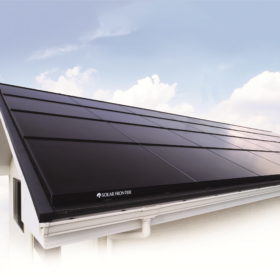
Solar Frontier hits new CIS cell efficiency record
The Japanese module maker has set a new record for CIS thin film cell efficiency. The company, with Japan’s New Energy and Industrial Technology Development Organization, achieved 23.35% conversion on a cell measuring 1 cm². The record was confirmed by the Japanese National Institute of Advanced Industrial Science and Technology.
State-owned lenders will stump up cash to bail out developer Panda Green
With a $3bn debt pile, gearing of 73.1% and $127m due for repayment in around three months’ time, the directors of the former United PV Group want shareholders to dilute their investment by issuing shares worth more than 40% of an enlarged company, with a chunk of the proceeds coming from public funds.
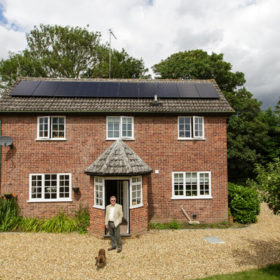
EU heeds call for priority dispatch for small-scale generators
Homeowners and businesses with small-scale solar arrays have fought off a threat to priority treatment for excess energy they want fed back into national grids. The EU has refused to heed a call to treat such generators on the same terms as giant utilities.
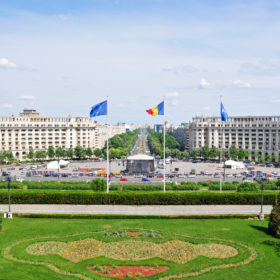
Romania’s solar rooftop rebate scheme ready to kick off
From Friday, Romanian homeowners and businesses may file applications for rebates that could cover up to 90% of the cost of rooftop arrays, provided the grant does not exceed $4,830. Applications will be accepted until March 1.
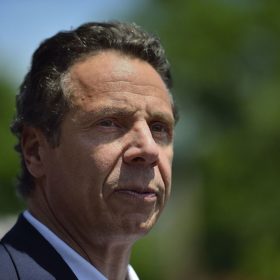
New York governor’s Green New Deal starts with 1 GW of large-scale solar
The state has also awarded 614 MW of wind, and three of the 20 renewable energy projects commissioned are paired with energy storage. NextEra, Invenergy and EDF are each set to build solar projects larger than 100 MW.
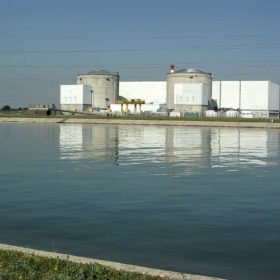
EU approves France’s plan to replace nuclear plant with 300 MW of PV
The European Commission said the subsidy scheme to be adopted for the project is in line with the EU state aid rules. The 40-year old Fessenheim nuclear plant has faced several safety issues over the decades.
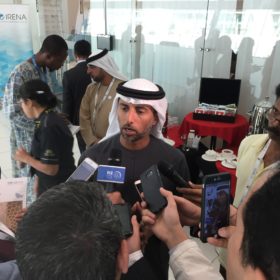
‘A swift transition to renewables would be unfair and cause chaos’
In the face of increasingly strident global calls to turbocharge the switch from fossil fuels to clean energy, remarks from the Saudi and Emirati energy ministers in Abu Dhabi this week will do little to encourage hopes the world can contain global temperature rises below 1.5C.
Renewables, an antidote against volatile electricity prices for the EU
The European Commission says renewables are playing a central role in lowering spot prices and stopping rises in network charges and fees. In the EU energy market, however, coal and gas still dominate, ensuring power prices are unpredictable.
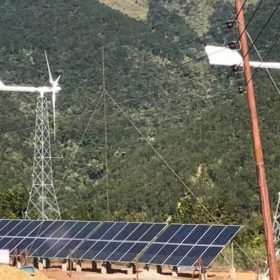
Nepal wants more hybrid wind-solar and needs information on prices
Through three tenders, Nepal’s Alternative Energy Promotion Center is increasing efforts to bring power to rural communities, and to increase the share of renewables in a nation still dominated by hydropower.
