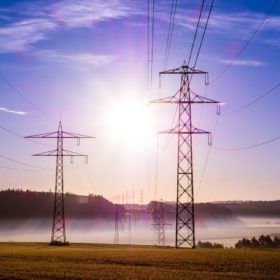
US solar sector shoring up resilience to cyberattacks
As solar and storage technologies are deployed on the U.S. grid in record numbers, there’s no time like the present to take steps to prevent solar and storage from cyberattacks.

Record solar numbers expected this year but IEA highlights pricing concern
The Paris-based body expects the world will have installed almost 160 GW of solar this year, a record number, but still not enough to keep the prospect of a net zero global economy by mid century in sight.

Belgian network to host 25 MW/100 MWh battery for grid services
The energy storage system, which is set to be up and running in around a year’s time, will be supplied by Finnish company Wärtsilä and will provide services including reserve power and frequency control response.

Ireland cites need for 1.9 GW more solar this decade to stay on track for net zero
Although wind power dominates the renewables scene in the Republic of Ireland and the North – and even natural gas has a bigger role to play – the grid companies of the neighbors have revised up their estimates of how much solar will be needed, after talking to the public and industry.
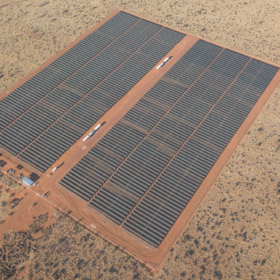
South Africa’s first solar wheeling project
In what is being described by its developer as a national first, a 10 MW solar plant in the Northern Cape will generate power for the local business of Amazon Web Services, with the solar electricity to be delivered via the grid operated by national utility Eskom.
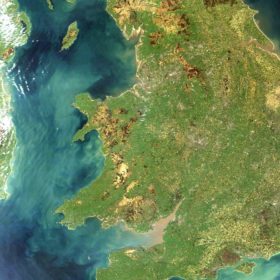
Financial incentive needed to drive UK energy storage
The lack of an incentive regime for battery projects and the like – whether a fixed feed-in tariff or market-driven contracts-for-difference program – is likely to see the COP26 host miss its 100%-clean-power-by-2035 commitment, according to K2 Management.
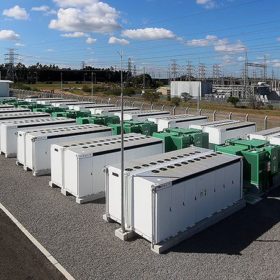
Synthetic inertia put to test with big battery registered in Australia
From pv magazine Australia Lumea, the commercial arm of AustralianMega transmission network operator TransGrid, said commissioning of the $61.9 million Wallgrove Grid Battery has begun after it achieved registration with the Australian Energy Market Operator (AEMO) earlier this week. The 50 MW/75 MWh lithium-ion battery has been installed adjacent to Transgrid’s Wallgrove substation in Western […]
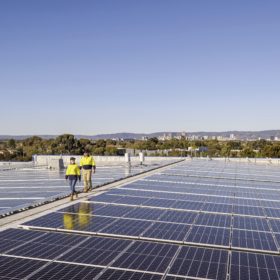
The weekend read: Powerful equation to expand C&I solar
Big rooftop PV systems on factories, warehouses and public buildings need not be limited by ownership issues nor local grid capacity, claims Australian innovator EleXsys Energy. The company is maxing out an Ikea in Adelaide, Australia, with solar and storage. And it claims its smart technology can allow the same to be done elsewhere.
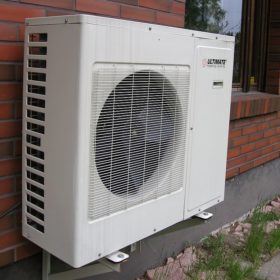
Ireland announces plan to install 600,000 heat pumps by 2030
The move is part of the National Development Plan 2021-2030, which aims to increase the share of renewable electricity in the generation mix up to 80% and to allocate around 15.5 GW of wind and solar capacity through an auction scheme.
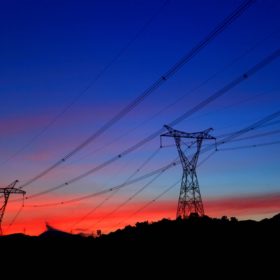
Interconnecting US solar to the grid – an opaque process
New documents reveal how renewables have improved publicly available power grid data in the United States, and show how solar and wind are footing the bill for U.S. power grid upgrades.
