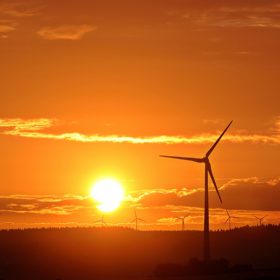
Wider wind-solar complementarity would mean less need for storage
A study from the Lappeenranta University of Technology states a deeper complementarity between solar and wind generation may favor renewables deployment reducing the need for stronger developments in storage technology. Combining solar with wind more widely could also reduce the need for ramping and improve the reliability of energy supply, say the researchers.
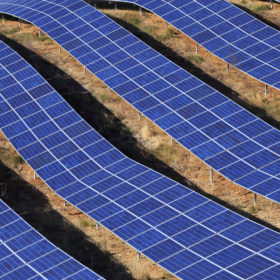
Australian solar provides cheapest energy, incurs highest frequency ancillary services payments
New research from Cornwall Insight shows that grid-scale solar farms are paying 10% to 20% of the cost of providing frequency ancillary services to Australia’s National Electricity Market, despite currently generating around 3% of energy in the system.
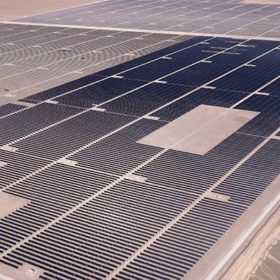
PV plant providing grid ancillary services in Chile
Chile’s National Electric Coordinator has granted approval for a new First Solar PV project to supply auxiliary grid services on a commercial basis. The installation has performed better than gas turbine technologies.
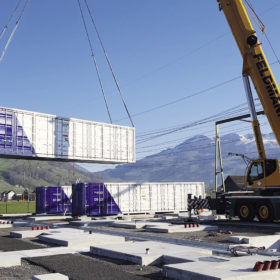
Energy storage investment to approach $10bn in 2025
Analyst IHS Markit has predicted storage will rebound this year following its first year-on-year decline in 2019. The technology is being rolled out at pace despite Covid-19 with state-level policies set to keep the US the global capital for the next five years.

Aluminum energy storage coming to Abu Dhabi
Swedish start-up Azelio says it will have a pilot project up and running in Masdar City by the end of next month. The technology sees electricity used to super heat aluminum with energy released on demand via a heat transfer fluid to drive a Stirling engine.

Mexican regulator opposes solar energy communities and storage
With the government having already introduced measures which will reduce the volume of renewables in the national energy mix, further new provisions will restrict the deployment of energy storage and the ability of solar energy generators to sell excess power to nearby consumers.
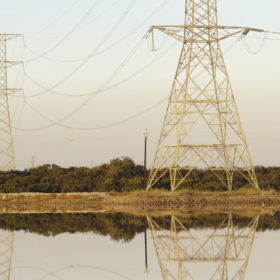
Energy deal activity down in the Americas but renewables show strength
An Ernst & Young report has found power and utility deals fell off markedly in the Americas during the first half of the year because of the Covid-19 pandemic but commitment to clean energy investment appeared to remain strong.

IRENA wants to improve West African grids for renewables
The International Renewable Energy Agency wants consultants to prepare a plan for grid expansion across West African countries. The ECOWAS region currently has only 16 GW of power generation capacity, with 32% of it from hydroelectric facilities and 68% thermal power.
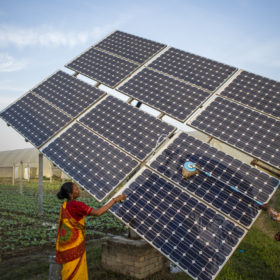
Bangladesh net metering requirement may deter solar pump owners
The government has finally issued guidelines on how solar-powered irrigation system owners can be paid for exporting power back to the grid. However, for those who expect to have to use grid power to augment solar from time to time, there could be a sting in the tail.
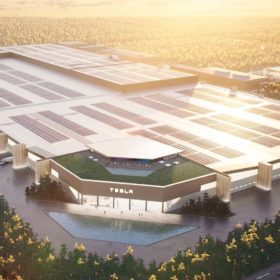
Tesla may become power provider in Germany
The high-profile electric car maker is conducting a survey of German customers to gauge their interest in a Tesla electricity tariff.
