
EV owners more likely to install rooftop solar
Scientists at the US National Renewable Energy Laboratory (NREL) have analyzed a survey of 869 households in the San Francisco Bay area and have found that electric vehicle (EV) owners are more likely to install rooftop solar on their homes than other consumers.

Mali-Mauritania interconnection project to support solar
The African Development Fund has approved $302.9 million of financing for a 225 kV electricity interconnection project linking Mauritania and Mali. The project is part of the Desert to Power initiative, which facilitates the development of solar plants in the region.
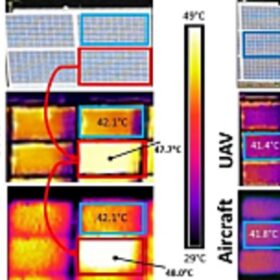
Drones vs. aircrafts for PV plant inspection
Scientists in Italy have investigated the performance of drones and a human-crewed airplanes for carrying out aerial infrared thermography inspections on PV power plants. According to their findings, airplanes may be more cost-effective.
The Hydrogen Stream: IEA says just 7% of planned capacity to go online by 2030
The International Energy Agency (IEA) says in a new report that only 7% of planned renewable-based hydrogen capacity is expected to go online by 2030. The report notes the need for consistent policies to support demand and prevent stranded assets.
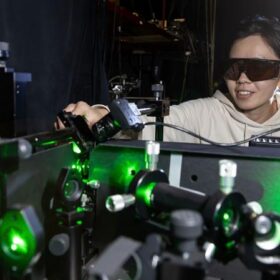
‘Shallow defects’ key to high efficiency of perovskite solar cells, say researchers
Researchers at the Jülich Research Center in Germany have used novel photoluminescence measurements to analyze the recombination of charge carriers in perovskite solar cells. They have found that the loss of charge carriers in perovskite devices works differently from other types of PV cells.
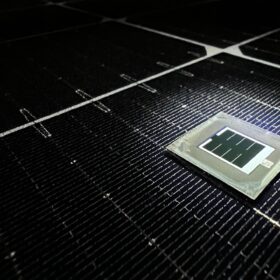
Perovskite-silicon tandem solar modules must ensure degradation rate of 0.4%/year to compete with crystalline silicon
Researchers from Saudi Arabia’s King Abdullah University of Science and Technology (KAUST) investigated the commercial prospects of perovskite-silicon tandem PV technologies and found that, in order to bring them closer to market maturity, their cost should not exceed by 30% that of crystalline silicon counterparts. Their roadmap stresses the importance of reducing perovskite degradation and improving product stability.
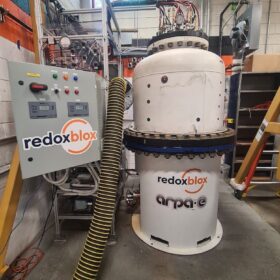
Scalable thermochemical energy storage for renewable energy
US-based RedoxBlox has developed thermochemical energy storage (TCES) technology looking to replace natural gas heating for industrial sites and provide the lowest-cost, grid-scale storage.
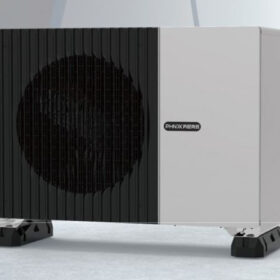
Phnix releases residential air-to-water heat pump
The Chinese manufacturer said its new propane heat pump has a seasonal coefficient of performance exceeding 5.0.

French startup offers new solution for green solar rooftops
Vegetek has developed a “biosolar” roof solution for new and existing buildings. It combines the benefits of greenery and solar panels.
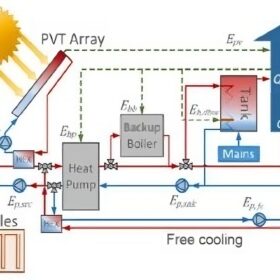
Hybridizing residential ground source heat pumps with PVT, free cooling
Researchers in Sweden sought to raise the efficiency of ground source heat pumps by combining their operation with that of PVT systems and free cooling. Through a series of simulations, they found that this integrated solution may reduce borehole length and land area requirements.
