
Netherlands reports 40 PV installation accidents over past 18 months
The Netherlands Labour Authority (Nederlandse Arbeidsinspectie) has provided accident statistics related to the installation of solar energy systems. It says there have been four casualties among solar installers over the past three years.
DEWA to procure R&D solar module production line
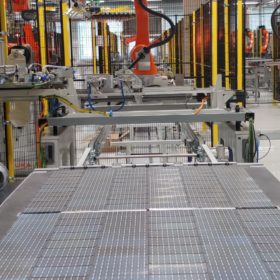
The Dubai Electricity and Water Authority (DEWA) may install a new R&D production line in its solar R&D center at the massive 5 GW Mohammed bin Rashid Al Maktoum Solar Park.
Second-life batteries might beat new ones on solar LCOE in remote locations
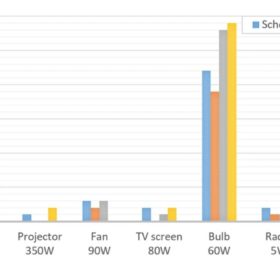
UK scientists have discovered that second-life batteries could provide a lower levelized cost of electricity (LCOE) than conventional batteries in school buildings equipped with PV in East African schools. They said the cheapest system configuration uses either 7.5 kW or 10 kW of solar with 20 kWh of storage.
Titanium oxide hydrophobic coating to clean solar panels
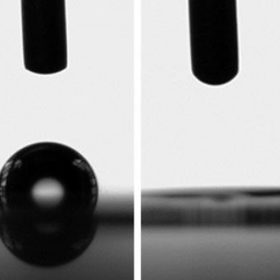
Germany’s Fraunhofer FEP has unveiled a dirt-repellent coating for solar panels. The material is reportedly able to acquire superhydrophilic properties at night and wash away the dirt through the beading raindrops.

Only5mins! – ‘Additionality’ must be adhered to in Africa’s green hydrogen development
Chigozie Nweke-Eze is an economist, geographer and founder of Integrated Africa Power. He sat down with pv magazine to discuss green hydrogen development in Africa, from the project pipeline to the necessity of “additionality” when it comes to ensuring hydrogen doesn’t become yet another exploited African resource.
Scientists assess lifetime for perovskite PV to become competitive on rooftops
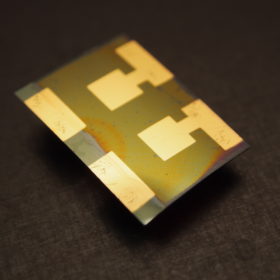
Researchers say that lightweight, high-performance perovskite solar modules could soon become competitive with crystalline PV modules in the residential segment, as such products will likely have lower manufacturing and balance-of-system costs in the future.
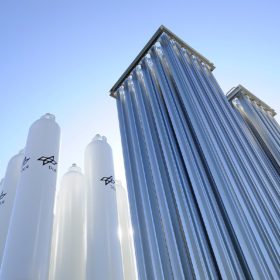
Turkey aims to produce hydrogen at $2.40/kg by 2035
Turkey has released a hydrogen roadmap as part of its plans to meet its 2035 net-zero emission targets, hinging on solar energy and importing electrolysis technologies in the short term. Gulmira Rzayeva, research fellow at the Oxford Institute for Energy Studies, says this target is realistic.
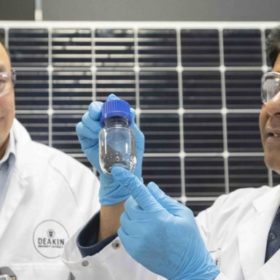
Australian scientists source silicon from solar waste to build better batteries
Researchers from Victoria’s Deakin University say they have successfully tested a new process that can safely and effectively extract silicon from end-of-life solar panels, and then convert it into nano materials worth more than $45,000 (USD 31,500) per kilogram, in order to build better batteries.
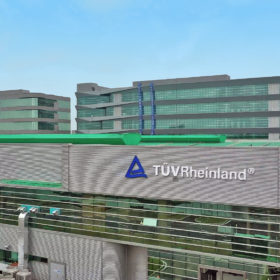
TÜV Rheinland opens solar module testing lab in China
Germany’s TÜV Rheinland said it will invest €22 million in the 5,000 m2 facility for testing photovoltaic modules as part of a massive lab.
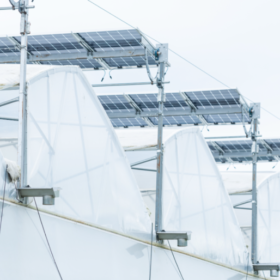
Eggplants grow 50% more under solar panels
French specialist Sun’Agri unveiled the agronomic results on a crop of eggplant grown in a greenhouse commissioned in the Lot-et-Garonne in September, 2020.
