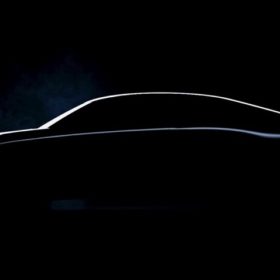
The first serious solar car is here: Lightyear One
Netherlands-based EV startup Lightyear has released a prototype for its first solar-powered, long-range EV. Is the car really the environmental dream it’s pitched as?
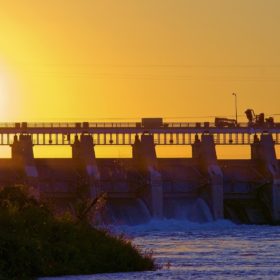
Renewables and geopolitics: water and sun pivots to new world order
In our series of renewable energy and geopolitics interviews, Indra Øverland – head of the Center for Energy Research at the Norwegian Institute for International Affairs – explains why hydropower can be the perfect match for intermittent renewables such as solar and wind. Hydropower assets are one of the biggest geopolitical stories of the energy transition but receive almost no attention. Nations with strong hydro potential may become linchpins of regional renewable energy.
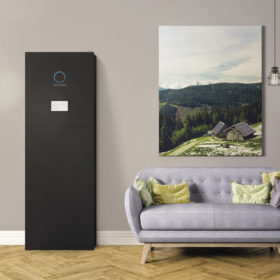
Another €4.4 million for solar-plus-storage incentives in northern Italy
After earmarking €3 million last year and €4 million in 2017, the Italian region of Lombardy has decided to further support residential and commercial storage projects linked to renewables.
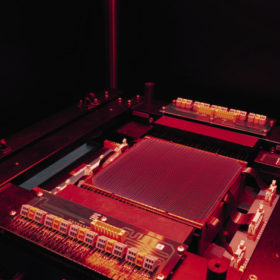
The weekend read: One side or two
Bifacial modules are here to stay. But even as manufacturers commit further capacities to two-sided module production spanning a whole range of technologies, there are still challenges to overcome, to fulfill predictions that bifacial will represent almost 40% of all modules produced inside the next decade. Flash testing conducted at the end of cell and module production presents one of these, and there is plenty of debate among equipment suppliers as to how this manufacturing stage should treat bifacial cells and modules.
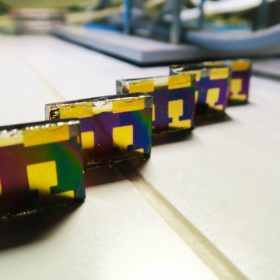
EPFL scientists put perovskite through its paces
Scientists working at Switzerland’s École Polytechnique Fédérale de Lausanne, in the lab of renowned PV scientist Michael Grätzel, have developed a new method for testing perovskite solar cells that they say combines the advantages of laboratory and outdoor testing and will contribute to the creation of industry standards for characterizing perovskite stability.
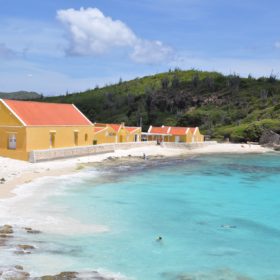
Wärtsilä doubles renewable energy penetration by adding storage in holiday paradise
The Finnish company has commissioned a large scale storage project to reduce curtailment of wind and solar assets on Bonaire. The system will use machine-learning based energy management software to provide grid services and manage all of the island’s power generators.
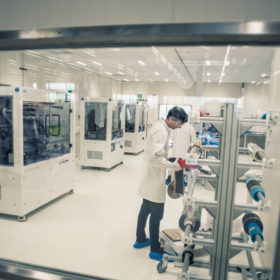
Solid (state) plans announced by imec
Belgian research institute imec this week said it has set a performance record of 400 watt-hours per liter – at a charge rate of 0.5 – for a solid state lithium metal battery. The institute says it is working with the University of Hasselt to scale up production of solid state cells on a pilot line in Belgium.
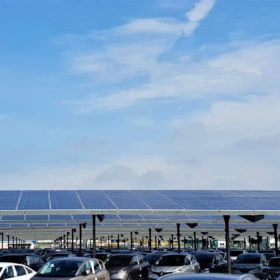
France resumes self-consumption tenders
The procurements relate to self-consumption projects with a generation capacity of 100 kW-1 MW. The next tender will be launched in September and will allocate 25 MW of solar capacity. The tenders had been suspended because of low interest and disproportionately high final tariffs for surplus power injected into the grid.
Statera announced as partner on 1 GW virtual power plant in the UK
Norwegian hydropower company Statkraft has revealed more details of its solar-storage-wind-gas network. Previously announced plans to potentially double capacity this summer were not mentioned in the update.
China’s grid planners could learn from European experience
The world’s biggest solar market is on track for an unsubsidized future but policymakers continue to grapple with grid planning. A report by the German Energy Agency has offered suggestions on how China’s approach to grid design could be tweaked to ensure priority dispatch for PV while slashing administrative costs and reining in renewable energy losses.
