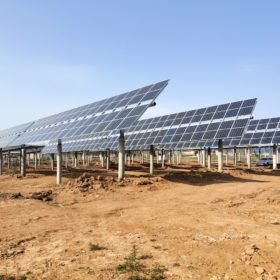
PV module fault diagnosis uses convolutional neural network
Researchers in China have created a dataset of various PV faults and normalized it to accommodate different array sizes and typologies. After testing the new approach in combination with the 1D-CNN machine learning technique under different conditions, they found an accuracy of more than 99%.
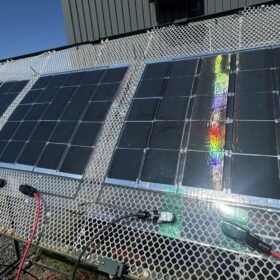
Power Roll tests perovskite solar panels outdoors
Power Roll, a UK developer of perovskite solar technology, has begun outdoor testing of its 600 mm x 400 mm flexible modules.
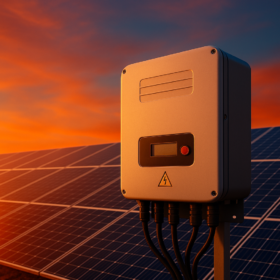
Cooling PV inverters with skived fin heat sink
Researchers in Turkey tested a novel heat sink design to cool insulated gate bipolar transistor (IGBT) arrays in solar inverters. They found that it reduced module temperatures by more than 6 C in lab experiments.
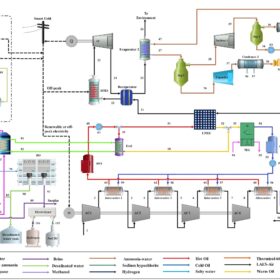
PV-powered liquid air system yields hydrogen, heating, fresh water
A global scientific team has designed a novel multigeneration system based on renewable energy and liquid air energy storage, then used soft computing techniques to optimize its operation. The optimized levelized costs of hydrogen (LCoH) were $1.52/kg and $5.22/m³.
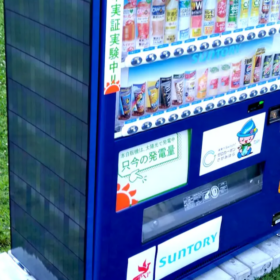
Vending machine trial with chalcopyrite solar
PXP Corp. and Suntory Holdings, both based in Japan, have begun to test the practicality and performance of a vending machine equipped with PXP’s lightweight, glass-free solar panels in Sagamihara, Japan.
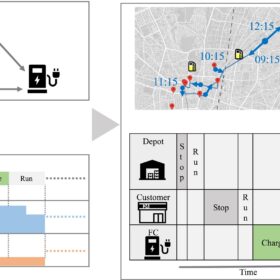
Surplus PV for electric delivery vehicles
Scientists in Japan have developed a model that predicts surplus PV generation and creates a route for optimized charging of electric delivery vehicles. They defined their work as a “practical blueprint for logistics operators.”
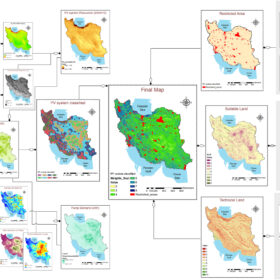
Map shows 43% of Iran’s land unsuitable for PV-powered water pumps
Scientists used geographic information systems and analytical hierarchy process methods to identify Iran’s most suitable areas for PV water pumping systems. They found 43.2% of land unsuitable, with Ardabil province the most favorable.

Mito Solar launches new range of colored modules for yachts, cars
Dutch specialty module manufacturer Mito Solar now offers PV modules in a wide range of colors for yachting and mobility applications. The colors are enabled by a front-side encapsulant made of thermoplastic polyolefin (TPO).
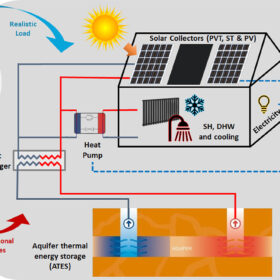
PV-thermal energy with heat pumps, aquifer thermal storage in buildings
Researchers in the Netherlands have simulated a residential energy system combining PV, solar thermal, and PV-thermal panels with aquifer thermal energy storage and a heat pump, achieving a seasonal coefficient of performance of seven across five buildings.
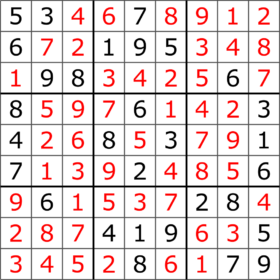
Using Sudoku to improve power yield in PV systems under partial shading
Indian researchers have developed a Sudoku-based technique to reduce power losses in PV systems operating under partial shading. They claim the method increases energy efficiency and revenue generation more than conventional reconfiguration techniques.
