
Red BIPV solar module from Italy
The module is available with wattages of 230-245 W and can reach an efficiency of up to 13.45%. The panel is part of a new series of colored products that includes silver and orange modules.
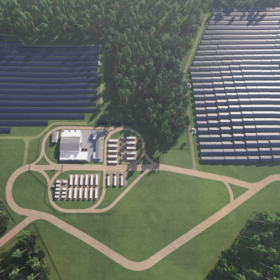
Large scale solar-plus-hydrogen project secures 25-year PPA in French Guiana
The PPA was awarded by French utility EDF. The facility relies on a 55 MW solar unit, a 16 MW electrolyzer, storage tanks and 3 MW of fuel cells.
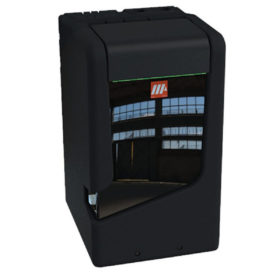
Residential PVT heat pump from the Netherlands
The propane-cooled 3.5 kW heat pump can be installed on both existing buildings and all-electric new buildings. It features a seasonal performance factor of 5.6 and is claimed to enable up to 80% of gas savings on heating and domestic hot water production.
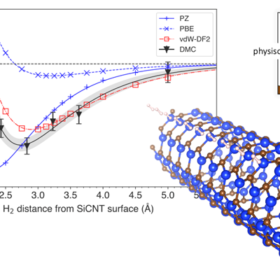
Storing hydrogen with silicon-carbide nanotubes
Storing hydrogen in carbon nanotubes and other nanostructures is still far from reaching commercial maturity. A Japanese research team, however, has developed a new simulation technology that may help better estimate the energy needed to favor the ideal interaction between hydrogen and its storage material.

How much glass is needed for terawatt-scale PV?
German scientists have assessed demand for resources such as glass and silver until 2100 and have found that current tech learning rates could be sufficient to avoid supply concerns.

Invisible BIPV system covers building in Zurich’s city center
The BIPV installation was developed with monocrystalline solar tiles provided by Swiss manufacturer 3S Solar Plus. The product is available in different gradations of green, blue, terracotta and brown and has a power output ranging from 80 to 170 W, depending on color and size.

All-weather imaging tech to detect PV module faults
The system combines software that applies a modulated electric current to the PV panels and an indium-gallium-arsenide (InGaAs) photodiode detector that takes a sequence of images of the panels. According to its creators, the proposed technique works with any lighting conditions and in all weather.
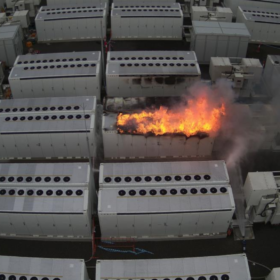
Australia’s biggest battery cleared for testing following fire
Energization testing is set to resume this week for Neoen’s 300 MW/450 MWh Victorian Big Battery, following a fire that caught global attention and destroyed two of its Megapacks on July 30.
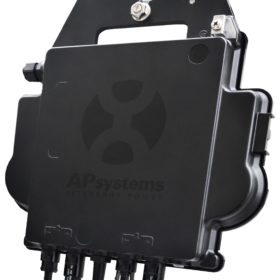
APsystems reveals dual microinverter
The 97%-efficient microinverter has a power output of up to 960 VA and APsystems claims it is the most powerful dual microinverter in the world.
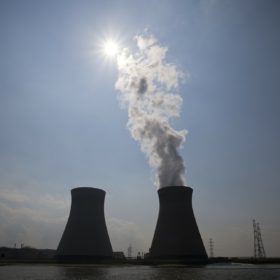
Renewables vs. Nuclear: 256-0
The latest World Nuclear Industry Status Report shows that the world’s operational nuclear capacity grew by just 400 MW in 2020, with generation falling by 4%. By contrast, renewables grew by 256 GW and clean energy production rose by 13%. “Nuclear power is irrelevant in today’s electricity capacity market,” the report’s main author, Mycle Schneider, told pv magazine.
