
New alloy could pave the way for next generation solar cells
Researchers at the University of Michigan have developed a new semiconductor alloy that can capture near-infrared light in the leading edge of the visible light spectrum. This could be a major step forward the development of a new generation of solar cells called “concentrator photovoltaics”.
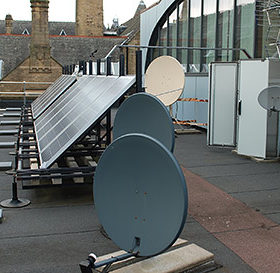
UK University develops algorithm for fault detection
Researchers at the University of Huddersfield have developed an energy sharing platform to allow communities to share energy generated from small-scale PV. The platform also includes new systems that could allow for faster fault detection and better monitoring.
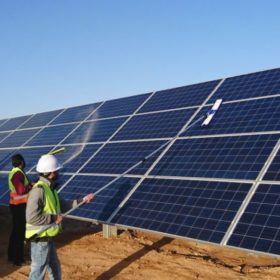
Norwegian researchers develop new solar panel cleaning robot
The new robot may make manual cleaning of large-scale solar PV plants a thing of the past.
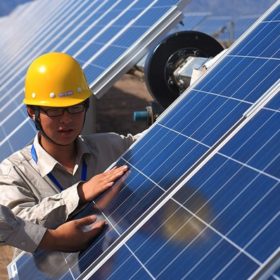
GCL-SI achieves 20.1% efficiency for its PERC solar cells in mass production
The Chinese PV manufacturer has achieved a new efficiency breakthrough for its PERC solar cells, with the help of nanostructured black silicon. GCL-SI plans to reach an efficiency of up to 21.0% by the end of this year.
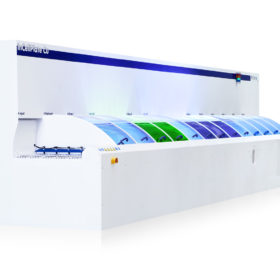
Rena and Aiko Solar Energy to collaborate on plating technology
Rena and Aiko Solar Energy will expand their collaboration into electroplating cell metalization technology. Germany’s Rena has already delivered some 4 GW of wet chemistry tooling to the Chinese PV producer, and will now deliver one of its InCellPlate to Aiko’s new Yiwu production facility, in the Zhenjiang province.
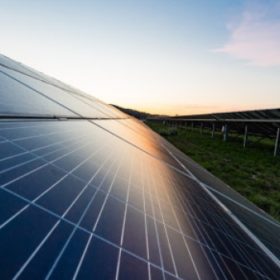
Engie launches tender to select innovative solar and storage technologies
The climate control unit of the French energy giant seeks proposals from start-ups and small and medium-sized enterprises. Bids must be submitted by July 4.
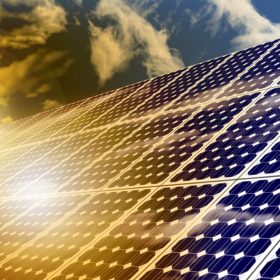
EPFL’s perovskite cell remains stable for over a year
A low-cost and ultra-stable perovskite solar cell, which was built by a team of scientists at Switzerland’s Ecole Polytechnique Fédérale de Lausanne (EPFL), has been operating at a constant efficiency of 11.2% for over a year with no performance loss.
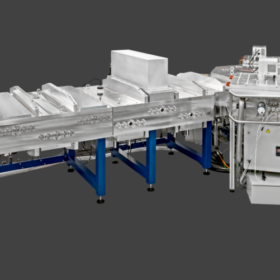
INDEOtec to supply PECVD tool to Fraunhofer ISE
Swiss equipment provider INDEOtec announced that it has received an order for its OCTOPUS II PECVD system from the renowned Fraunhofer Institute for Solar Energy Systems (ISE) in Germany.

Carnegie completes plans for Mauritius wave, solar + storage microgrid
By Sophie Vorrath Carnegie Clean Energy’s plans to use its world-leading CETO wave energy technology to develop a renewable energy microgrid for the island Republic of Mauritius are beginning to take shape, with the completion of plans for stage one of the hybrid power station. The ASX-listed company said on Monday it had completed the […]
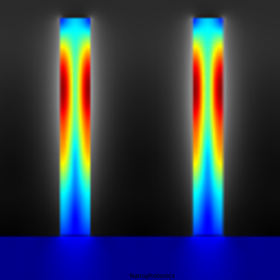
Sol Voltaics moves toward commercialization for GaAs film solution
Swedish materials company Sol Voltaics announced that it has successfully produced gallium arsenide (GaAs) nanowires, bringing its efficiency boosting film a step closer to commercialization.
