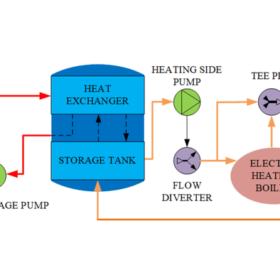
PVT-biomass system for space heating in small homes
A US-Chinese research group has developed a hybrid system proposal based on photovoltaic-thermal (PVT) modules, a heat pump, a backup electric boiler, and biomass generating units. They say it could be used as space heating in a single-floor home.
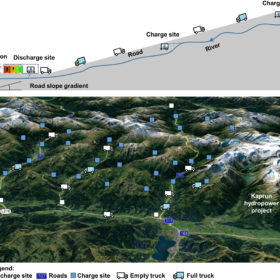
Storing hydropower via regenerative braking in electric trucks
An international research team has proposed the use of water from high-altitude rivers and regenerative braking in electric trucks to store electricity for reuse in power networks, or for transport purposes.
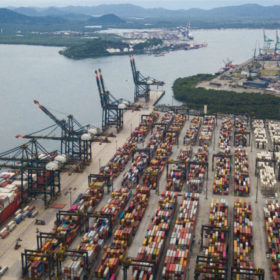
Brazil imported 5.2 GW of solar modules in Q1
High-power solar panels with outputs above 500 W accounted for more than 60% of all PV module imports to Brazil by volume in the January-March period.
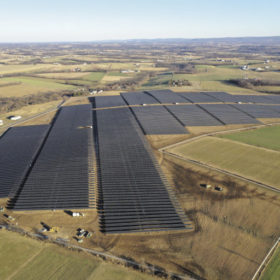
Italy allocates 300 MW of solar in latest renewables auction
Italy’s energy agency has awarded 300 MW of solar capacity at 34 locations, but it only selected a 6 MW wind project in its latest auction. All developers offered a maximum discount ranging from 2% to 3.02% off the auction ceiling price of €0.065 ($0.07)/kWh.
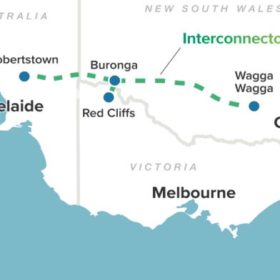
Transgrid builds high-voltage interconnector to link Australian states
Transgrid, the transmission network owner in the Australian state of New South Wales, has started building its section of the AUD 2.3 billion ($1.64 billion) Project EnergyConnect. The high-voltage electricity transmission interconnector will link power grids across three states, unlocking gigawatts of planned renewables.

REC Silicon to restart poly production at Moses Lake in 2023
REC Silicon says a cash injection from South Korea’s Hanwha will help it to resume fluidized bed reactor production at the Moses Lake polysilicon plant in the US state of Washington.
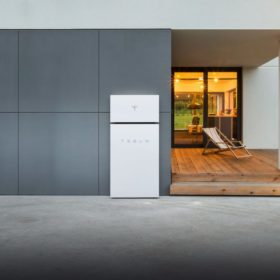
Tesla rallies Powerwall owners to show how they can help Texas grid
In Texas, where batteries cannot send power to the grid, Tesla has filed a request for a rule change and has called on Powerwall owners to form a virtual power plant.

Japan launches rebate program for solar on farmland, water reservoirs, waste sites
The Japanese authorities will provide a maximum rebate of JPY 303,500 ($2,350)/kW for solar projects ranging in size from 10 kW to 50 kW. Projects above 50 kW will be assigned a rebate of JPY 205,900/kW.

Energy company plans 500 MW of solar in Chad
Savannah Energy plans to install up to 300 MW of solar and a battery to power operations at its recently acquired Doba Oil project in Chad. It has also pledged up to 100 MW of solar and the same amount of wind to generate power for the capital, N’Djamena.
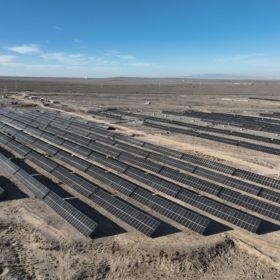
Chinese PV Industry Brief: China’s NEA predicts 108 GW of solar in 2022
The Chinese government says the nation is on track to install 108 GW of PV this year. Huaneng says it will build a new 10 GW module factory, while Akcome has revealed plans to increase its heterojunction panel capacity by 6 GW.
