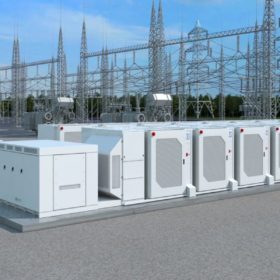
Fluence gains investor to help drive energy storage growth
AES and Siemens will remain major shareholders and will continue to support Fluence’s long-term growth. The company currently has 2.4 GW of projects deployed or awarded across 24 countries and territories worldwide.
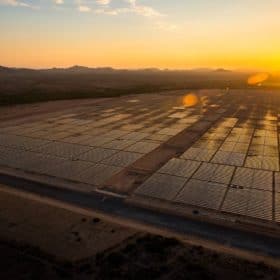
Capital Dynamics takes full ownership of 125 MW PV project in Arizona
Capital Dynamics’ Clean Energy Infrastructure unit previously acquired a 30% stake in Arlington Valley Solar Energy II as part of the acquisition of three PV projects from LS Power in November.
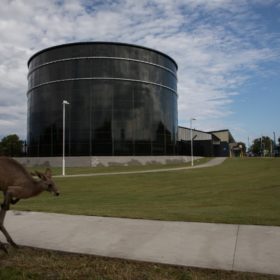
‘Water battery’ a winner for Australian university
In the first year of operation, the thermal energy storage tank saved 4,232 tonnes of CO2 emissions – with 3,082 tonnes saved by the University of the Sunshine Coast through using solar power instead of grid electricity, and the rest by feeding solar energy into the grid.
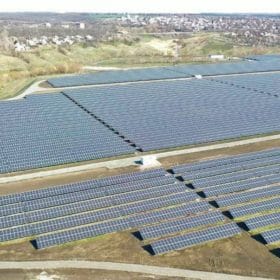
Scatec PV plant goes online in Ukraine
Realized under Ukraine’s feed-in-tariff scheme, the Kamianka plant is expected to deliver some 37 GWh per year and provide clean energy to more than 11,000 households.
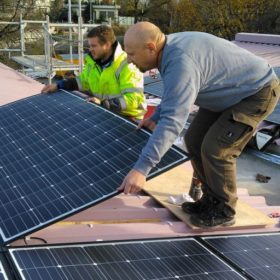
Germany’s solar boom set to continue in 2021
From PV panels to solar storage and solar collectors, rooftop installations grew 25% in Germany this year as due to increasing consumer demand for greater energy independence, lower solar tech prices, improved subsidy conditions and the rising popularity of electric cars. A further increase in solar technology expansion targets is expected to meet climate targets and avoid electricity shortfalls, according to the German Solar Association.
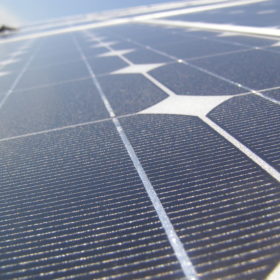
7C Solarparken set to acquire EnerVest Belgium
PV developer 7C Solarparken has revealed plans to acquire the renewables unit of EnerVest. In a related deal, it has also expanded its PV portfolio to 256 MWp with an investment in three projects in Germany.
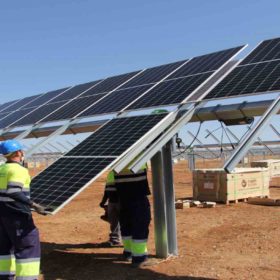
Endesa connects first two PV plants in Seville
Spain’s largest utility has completed the installation of its first two PV plants to be connected to the grid in the Andalusian province of Seville. The €70 million project is seen as a pioneering example of agrivoltaics for the company.

EDP acquires stake in Brazilian distributed-gen PV company
Portuguese utility EDP has agreed to buy a minority stake of up to 40% in Brazil’s Blue Sol Participações.
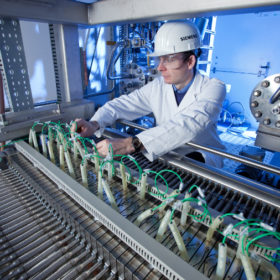
PV trends of 2020: Part 5
Despite much of the world being on lockdown for a big chunk of 2020, there are few who could say it has been an uneventful year. And while the ongoing Covid-19 pandemic will be what defines 2020 for many, in the solar industry there’s plenty more to shout about, from the rapid rollout of high-powered modules to a drastic increase in carbon-neutral pledges from companies and governments around the world. Across five installments, pv magazine takes a look back at the year in solar. First up were the U.S. election and carbon neutral pledges, followed by auctions and green bonds. Part 3 focused on big modules and renewable grid support, while part 4 looked at high-efficiency EU cell production and perovskites. In the final installment, you can read about smart homes and green hydrogen.

Indoor farming gets greener via solar load aggregation
The economic feasibility of plant factories has been questionable because of energy costs. Now, customers of one containerized farm provider in the United States can opt for 100% clean energy with a subscription service.
