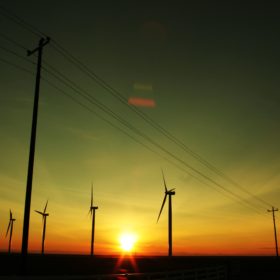
LevelTen Energy opens procurement of up to 500 MW of European renewables capacity
U.S.-based tender platform has invited proposals for projects ranging in scale from 50-500 MW on behalf of an unnamed client which is a member of the RE100 clean energy campaign. European developers have until July 20 to lodge their bids.
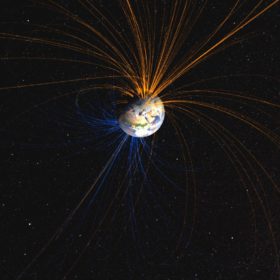
Shielding PV against Earth’s magnetic field
Researchers in Kenya are seeking to reduce the influence of the Geomagnetic field on PV panel performance by replacing aluminum module frames with a steel cage. They have specified they have been unable to quantify costs related to the solution, and that more research is needed.
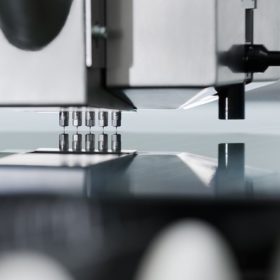
German PV production equipment suppliers see worst sales slump since industry hit rock bottom
Industry body the VDMA said business fell 55% from the final three months of last year to the first quarter of this year for the worst retreat since 2012. The nature of the order book and sales figures can both be explained by the global progress of Covid-19, according to the organization.
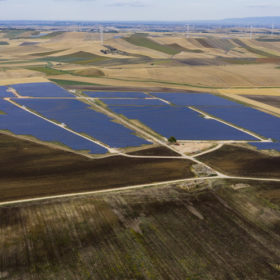
Italy’s largest PV project comes online
A 103 MW solar park built by Danish developer European Energy has been connected to the grid after a year of construction work. The project had been started in 2011 and at one stage appeared doomed, when a national feed-in tariff program ended.
German solar tender settles average power price of €0.0527/kWh
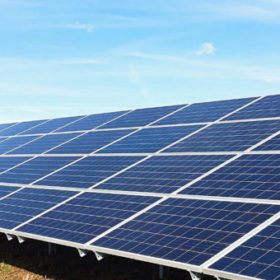
The federal network agency allocated 96.3 MW of solar in a procurement round which saw the solar power price nudge up slightly.

Kenya’s largest dairy producer wants to buy solar
New Kenya Cooperative Creameries has finalized the preliminary phase of a tender to buy electricity from a solar facility that will be built at its new KCC Sotik Factory. The installation is expected to cover around 40% of the site’s power needs.
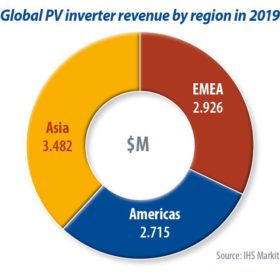
Record shipments push global solar PV inverter market past $9 billion in 2019
The PV inverter market achieved record shipments in 2019, writes IHS Markit’s Miguel de Jesus, driven by booming shipments in key markets such as the United States, Spain, Latin America, Ukraine and Vietnam. Revenue rose rapidly, surpassing the $9 billion mark in 2019 for the first time.
Algeria’s first mounting system manufacturer
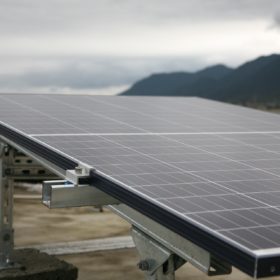
SPS, an Algerian metal sandwich panel manufacturer, has signed a partnership deal with Dubai-based mounting system provider Qi-energy to begin production of mounting structures for PV systems in Algeria.
Significant decline in potentially unsafe PV systems in Australia
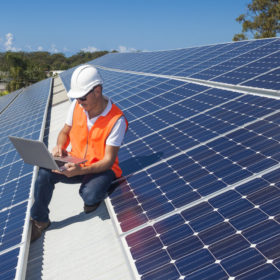
A very small number of PV systems installed on Australian rooftops are considered to be potentially unsafe, the nation’s Clean Energy Regulator says in a new report. It identifies water entering DC isolators as the greatest risk and the most common cause of PV system failures.
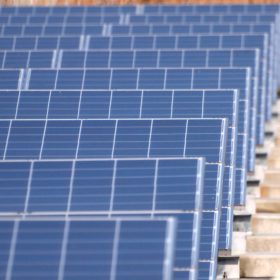
PV module prices are falling faster than all predictions
New research from Wood Mackenzie shows that overall system costs for installations using mono PERC modules are set to fall by as much as 20% by 2025.
