
Nigeria aims to lower solar electricity tariffs agreed three years ago
In July 2016 Nigeria signed power purchase agreements with 14 utility scale PV projects with a total generation capacity of 1,075 MW. None of the projects has reached financial close and pv magazine has learned the government wants to reduce the agreed tariffs.
Hanwha Q-Cells assumes market leadership in Europe
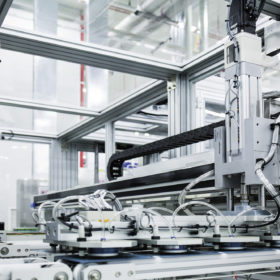
In Germany, the Korean PV manufacturer increased output to 760 MW last year. Despite a highly competitive environment and persistently high pressure on margins, Hanwha says it is looking to the future with optimism. The company has further diversified away from solar module production in recent months.

CATL to enter Japan’s residential storage market
Previously known for its automotive activity, CATL is turning to another promising sector to generate demand for its battery cells. With the first few hundred thousand Japanese solar households seeing their 10-year FIT contracts expire, demand for small scale storage is on the rise
National Grid pre-qualifies first vanadium-flow battery for frequency response in UK
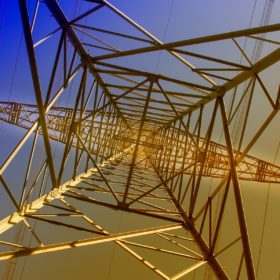
Batteries of the type have traditionally been used for long-duration storage applications. Now though, it seems vanadium is making an entry into the fast-paced world of ancillary grid services.

Chinese solar production figures continue to ramp up
Quasi-governmental body the CPIA has released first-half figures for the world’s biggest solar marketplace which show production volumes for export markets continuing to expand and the domestic picture set to rebound after public solar subsidy levels were published.
Solarcentury chief calls for policy support for UK solar on day Boris Johnson is anointed
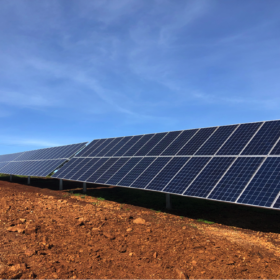
The London-based developer revealed blockbusting annual figures which show it is debt free, has almost £20 million in the bank, raked in more than half that figure in net profits in 2018-19 and expects twice as much in a year’s time.

Ukraine makes a bid for PV growth
The final segment in pv magazine’s look at unsung solar markets heads to Ukraine, where a generous feed in tariff and developments in the corporate PPA segment looks likely to push installations past the 1 GW mark for 2019.
The billion-dollar battery boom
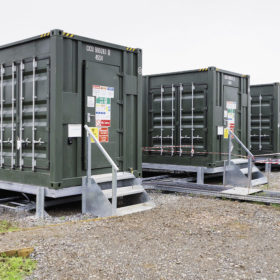
Corporations are buying up batteries and investing in their companies like it’s going out of style.

Global PV market: 114 GW to be installed in 2019, with continued growth onwards
According to the latest market forecast published by Wood Mackenzie, it seems that global PV installation figures will rise to 125 GW per year from 2020. Continued global capacity expansion will come in through a growing gigawatts-club.
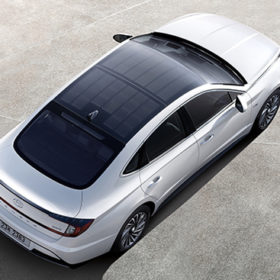
Hyundai enters the solar car race with new Sonata
Hyundai has unveiled its new hybrid, the Hyundai Sonata, complete with integrated solar cells. The Sonata’s unveiling joins Toyota and Lightyear in integrating solar PV with EVs.
