
Poland launches €235 million solar rebate program
The Mój Prąd scheme will be open to residential rooftop PV projects ranging in size from 2 kW to 10 kW. Furthermore, the Polish Parliament approved a new act that will allow for the wind and solar auctions planned for this and next year to move forward.
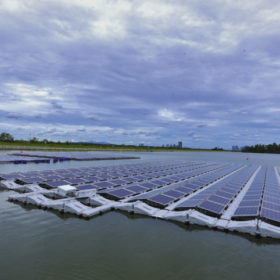
Eni plans Italy’s first utility scale floating PV plant of 14 MW
Italy’s first floating PV installation is scheduled to be located at an artificial water basin in Brindisi, in the southern region of Apulia.

Embattled Singyes Solar outlines debt restructuring plan
The project developer and BIPV maker wants creditors to agree to postpone settlement of their debts for three years and will offer a financial incentive – provided a proposed Chinese state-backed bailout is voted through by its shareholders.

Small solar parks appear in Sweden
pv magazine‘s delve into unsung solar markets continues with a look at Sweden. While its installation numbers are small, solar in the Scandinavian nation has developed steadily, and megawatt scale installations are beginning to appear.

PV license fever in Greece continues
Applications to generate electricity from solar plants continue to surge, reflecting the sector’s revival in the country.

Lowest bid in Tunisia’s 500 MW solar tender comes in at $0.0244
All five offers received by the Tunisian government were under the three-cent threshold. The lowest bid was for a 200 MW solar plant Norwegian developer Scatec intends to build in the Tataouine province.
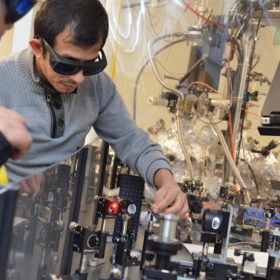
One atom layer to ‘free the electrons’
Scientists from the University of Kansas say adding a layer of two-dimensional semiconductor molybdenum disulfide can greatly improve the performance of organic solar cells. The research could also inform efforts to engineer the interface between layers in hybrid organic cells.

Longi signs $540m wafer supply deal
The contract figure is based on today’s mono prices and equates to almost 20% of the revenues seen in 2018. The supply deal is the second big order the company has secured in 12 months.
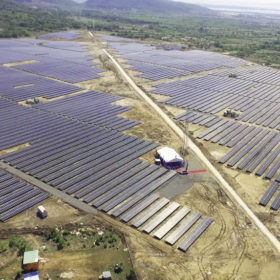
Vietnam’s 2019 commissioning rush
Vietnam had already successfully commissioned 1.5 GW of utility-scale PV at the end of May this year, and there is no sign of this slowing down, with another 2 GW teed up for June 2019. The breakneck speed in development is making Vietnam a powerhouse in the region in installed capacity, even nipping at the heels of Australia. Rystad Energy’s Minh Koi Le looks at the state of play in the Vietnamese solar market.
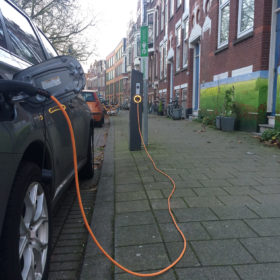
UK Power Network launches smart EV charging market trial
With EV sales continuing their climb, and overall carbon emissions targets getting more ambitious, stakeholders in the energy system will need to consider flexibility options from, among other points, EV charging. A large distribution system operator in the U.K. is now examining the options to remunerate customers for adapting their EV charging patterns to load profiles of the grid. If successful, the exercise may help mitigate grid infrastructure expansion costs.
