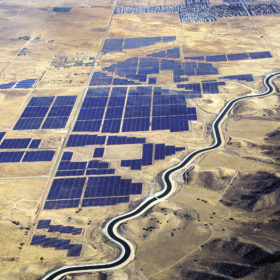
JinkoSolar unveils another impressive set of quarterly figures
The Shanghai-based solar manufacturer has maintained gross margin in a depressed domestic market by shipping ever more modules around the world and is pressing ahead with dramatic production plans on the eve of a looming solar boom.
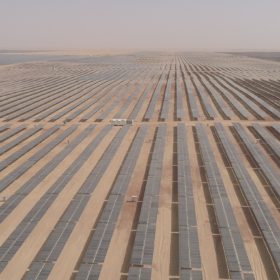
Scatec reaches commercial operation for another 112 MW of capacity
The Norwegian developer has opened plants in Ukraine and Egypt. Scatec Solar recently announced it managed to triple energy production in the last year.

Pakistan’s Nepra mulls another 50 MW of solar
The country is steadily expanding solar generation capacity as it aims for 5 GW by 2022, helped by an influx of foreign investment from China’s Belt & Road infrastructure program and World Bank capital.

‘Energy storage is not enough, a renewables grid needs flexible gas back-up’
The managing director of London-based energy infrastructure company Statera has told pv magazine a clean energy grid in the U.K. will require as much flexible gas plant capacity as battery storage.
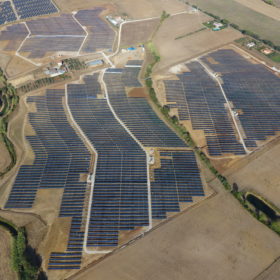
Octopus adds 300,000 customers and launches community energy JV
Another large scale transaction by the electricity and gas supplier has enhanced its standing in the U.K. energy market, with the business now counting more than one million customers.

Mini series: The evolution of testing
Tara Doyle started her career in the solar energy industry more than 15 years ago, and today serves as the chief commercial officer at PVEL, which claims to be one of the first testing laboratories to focus on bankability for the downstream PV buyer community. The lab serves developers, financiers, O&M companies, asset owners, and insurers.

Scientists discover photovoltaic nanotubes
An international team of researchers led by the University of Tokyo has discovered a new material which, when rolled into a nanotube, generates an electric current if exposed to light. If magnified and scaled up, say the scientists, the technology could be used in future high-efficiency solar devices.
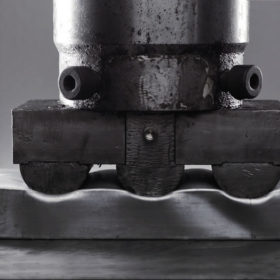
Ganfeng Lithium prepares solid-state battery test line
The Chinese company is ramping up R&D efforts to try and fast-track commercialization of the more productive – and more expensive – battery tech. The news was announced as part of an uninspiring first-half update thanks to falling lithium salt prices.
IndianOil to produce lithium-free EV batteries
India’s state-run fossil fuel giant has partnered with an unnamed foreign start-up to produce electric vehicle batteries using raw materials easily available in the nation.
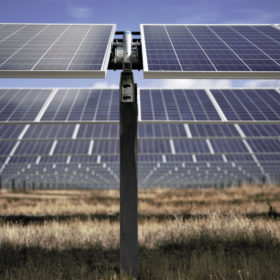
IHS Markit: Trackers to account for a third of PV installations
New analysis predicts more than 150 GW of tracker capacity will be installed in the next five years – around a third of all ground mount projects up to 2024. Rapid growth in Europe, the Middle East and Africa; and the better cost structures possible from combining trackers and bifacial modules are singled out as key trends.
