Goldman Sachs to snatch up 233 MW of C&I solar from SunPower
The transaction feeds the growing appetite of institutional investors for solar projects and provides SunPower with more cash.
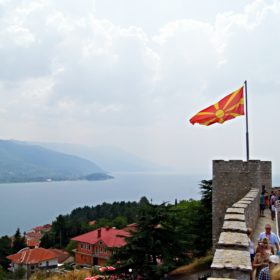
North Macedonia issues tender for first large-scale PV plant
North Macedonia’s state-owned electric utility, ELEM, is tendering a 10 MW project which is being partly financed by the European Bank for Reconstruction and Development. The facility will be adjacent to Macedonia’s second thermal power plant, which produces around 10% of the country’s electricity.
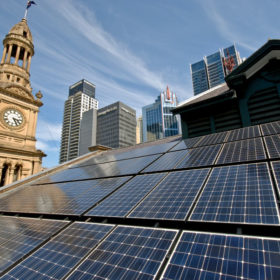
City of Sydney sets 100% renewables target
With solar panels already installed on dozens of its buildings, the city of Sydney has upped the ante by vowing to source 100% of its electricity needs from solar PV and wind. The commitment was endorsed by city council last week, with a new 100% renewable electricity contract to be negotiated in the coming months.

EDF finalizes purchase of French solar operator Luxel
The acquired company owns more than 1 GW of solar capacity, including operational large-scale plants and projects still under development. The financial terms of the deal remain undisclosed.
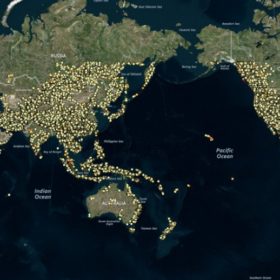
More than a half million pumped-hydro sites for a world of 100% renewables
A recent Australian National University study shows that newly developed geographic information system algorithms can identify prospective sites for off-river pumped hydro projects throughout the world. The researchers, who identified around 530,000 potential sites, said pumped-hydro installations could enable large-scale energy time-shifting, as well as a range of ancillary services such as frequency regulation, which could help to integrate high levels of PV and wind into electricity systems.

Exponential or slow growth?
The Turkish solar market finds itself at a crossroads in 2019, with previous policy settings coming to an end and more questions than answers being raised by recent government efforts. While the YEKA projects to date have delivered little in terms of installations, Muren Guler from Global Energy Ltd believes that ‘Mini YEKA’ could provide just the boost manufacturers, suppliers, and developers are looking for.
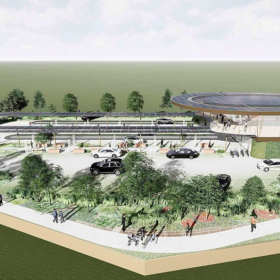
Gridserve to build PV-powered, battery-backed EV charging stations
Gridserve has revealed plans to install more than 100 electric-vehicle charging stations throughout the U.K. It will start building the first of these facilities later this year, backed by a £1 billion ($1.7 billion) investment.
GCL-Poly posts $68m net loss for 2018
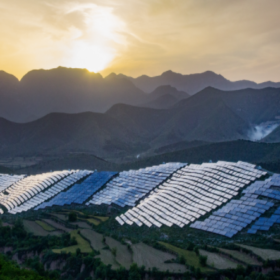
Chinese polysilicon giant GCL-Poly Energy today posted its financial results for the full year 2018. The company saw a loss of RMB 458.4 million ($68.3 million), which it attributes primarily to China’s 31/5 policy.
Strong growth expected for residential PV in Spain
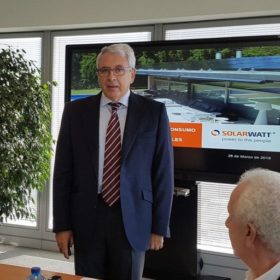
Some 328,000 single-family homes could install rooftop PV systems for self-consumption in Spain, according to a new report published by Solarwatt. This means the country has the potential to deploy around 1.5 GW of residential PV capacity over the next three years.
Lego owner to acquire majority stake in Enerparc unit
The two sides have agreed not to disclose the purchase price, but Enerparc’s management team will maintain a minority interest.
