
Australian school pioneers renewable PPA to reduce power bills
Echoing a growing appetite for corporate renewable power purchase agreements in Australia, Ascham School has become the first in New South Wales to ink a long-term deal with commercial electricity retailer Flow Power.
UK mulls 15% rise in VAT rates that would hit residential solar and storage
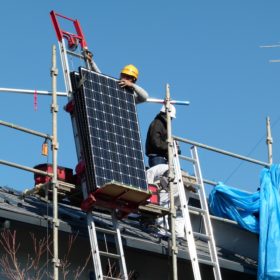
Having declared a climate emergency last week, the U.K. government is considering raising VAT rates from 5% to 20% on ‘energy saving materials’ in the home. While the tax authorities are blaming Europe, trade body the REA has pointed out the 5% rate would still apply for coal used for domestic heating.
Egypt plugs 780 MW of Benban solar projects into grid
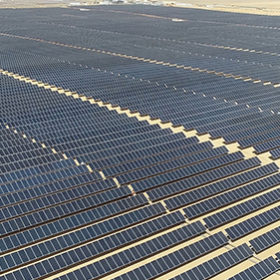
A government ministry reportedly announced 16 operational solar plants with a total capacity of 780 MW have been connected, along with three more projects that are expected to bring another 150 MW of capacity online this month.

PV investors in Honduras facing retroactive review of solar tariffs
The government of the Central American country with the highest installed PV capacity wants to renegotiate contracts awarded in 2015 under an incentive regime. While domestic companies have reportedly agreed to reduce tariffs, international investors are said to be in no mood to capitulate.
IEA warning against stagnation of renewables
After two decades of growth, the amount of newly installed renewable energy capacity is no longer rising and, despite a 7% growth in electricity generation from clean energy sources, global energy-related carbon emissions have risen 1.7%.

UK scientists build new 3D solar architecture
The back-contact solar cell is said to have a conversion efficiency of around 7%. According to researchers, the cell design includes the removal of expensive transparent conductive oxides.

Longi claims new record for bifacial half-cut module as production equipment orders pour in
The Chinese monocrystalline panel maker said its 72-cell bifacial product has reached an ouput of more than 450 W on the front side. The result was confirmed by Germany’s TÜV-SÜD.

Sungrow secures 400 MW inverter deal in Chile’s largest project
The Chinese manufacturer has signed an agreement with Enel Green Power Chile to supply its 1500 Vdc central inverters to a PV plant at Copiapó, the largest to be built in the country to date.

Swedish Energy Agency eyes PV to achieve 100% renewables by 2040
Though PV will remain in the shadow of wind and hydropower in the north of Europe, an ambitious solar deployment scenario in Sweden could lift the market into the gigawatt club through to 2040.
Solar distributed generation set for another record year in Brazil
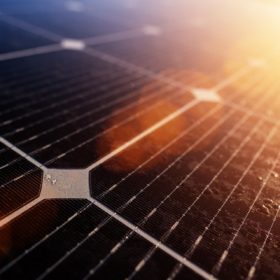
New PV installations under the nation’s net metering scheme grew 137% year-on-year from January to March, according to consultancy Greener, and module imports registered even greater growth, signalling activity in the distributed generation segment is increasing at a faster pace. With the regulator mooting changes to the net metering regime, however, it may reflect customers rushing to secure current tariffs.
