
Energy storage inverter shipments to reach 3 GW in 2018, 7 GW in 2022
According to IHS Markit, energy storage inverter shipments are on track to reach 3 GW in 2018, growing to 7 GW by 2022. Currently, SMA is the market leader. Overall, the competitive landscape is “highly volatile” with expectations that consolidation will continue.
Coal generator owner in Australia inks major solar PPA
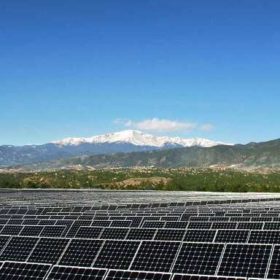
Vales Point coal-fired power station owner, Delta Electricity, will purchase most of the output of the 275 MW Darlington Solar Farm in New South Wales under a deal that both sides see as a demonstration of the growing role of renewable energy.

US corporate solar procurement knocks it out of the park in 2018
According to Rocky Mountain Institute corporations have signed contracts for 2.8 GW of solar in the United States this year, a gigawatt more than the deals signed in all previous years combined.
Daqo relentlessly increases polysilicon output
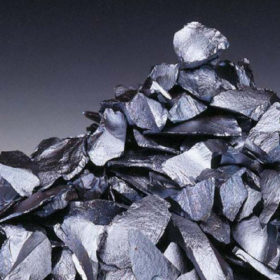
Chinese polysilicon maker Daqo New Energy today announced it has raised its production capacity to 30,000 MT, with a further 5,000 to follow within six months, and 35,000 on top of that by the end of March 2020.

Greece awards 62 MW of small-scale PV, cancels tender for larger projects in the same day
Greece ran two separate tenders for PV on December 10. However, the Greek energy regulator has decided not to award the winners of the tender for large-scale farms, due to lack of adequate competition. The tender for the large projects will be repeated next year.

UK export payments won’t end – but they will get much smaller
The government has finally announced the results of its consultation on ending FIT export payments. With the vast majority of respondents against the proposal… it has responded by going ahead anyway.

Wacker Chemie reaches agreement with Yingli over poly supply deals
If the German polysilicon manufacturer is the ‘Supplier A’ referred to in the Chinese panel maker’s annual report, Wacker has negotiated a near $33 million settlement from arbitration. As part of the settlement, Wacker will continue to supply its counterpart with poly up to 2028.
Israel lauded for ditching coal – for gas
The Middle Eastern state has been praised for joining the global anti coal movement, but its plan to switch to natural gas is more a victory for pragmatism than the environmental or renewables cause.

US: New York officially ups its energy storage goal – 3 GW by 2030
With the passing of twin initiatives, New York has set an ambitious plan to raise its energy storage capacity to 1.5 GW by 2025 and 3 GW by 2030.

Efficiency record isn’t the biggest change for Alta Devices’ GaAS solar technology
Alta Devices’ gallium arsenide solar research cells have been certified with a 29.1% efficiency, setting a new single junction solar cell efficiency record. The most significant change, however, isn’t actually the efficiency; it is that the weight fell 30%, and from the words of Alta Devices, its process has lowered material costs to “essentially nothing”.
