Panasonic, Tesla reveal plan to produce lithium batteries in China
Tesla’s batteries may soon be Made in China. The announcement was made by Panasonic CEO Kazuhiro Tsuga during a conference accompanying the company’s 2018 fiscal-year results.
California’s solar mandate: Questions and answers
The pv magazine USA team attempt to answer some of the larger questions regarding California’s landmark mandate for solar on all new homes.
Rystad Energy: 83% of Australian utility scale pipeline to deploy tracking
Single-axis tracking technology will be deployed in the vast majority of Australian large scale solar projects currently under development. Rystad Energy made the observation in its latest research note, adding that at present two companies share 90% of the confirmed orders.

Japanese scientists develop wireless optical neural stimulator based on PV
A very small implantable device that can be used to control brain patterns has been developed by Japanese researchers using photovoltaic technology. The device is both the smallest and the lightest wireless optical biodevice to have ever been developed.
French administration considers building solar plants on its own premises
In the recent work group organized by the French government along with all stakeholders of France’s solar industry, delivering more volumes to the market was highlighted as a number one priority.
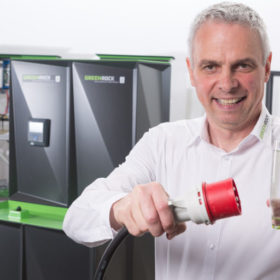
Blue Sky Energy offers saltwater-based residential solar storage
Interview: Saltwater technology is similar to that of lead battery storage, but only natural materials are used. Helmut Mayer, Managing Director of Blue Sky Energy, explains how this compares to lithium-ion, which currently dominates the residential PV sector.
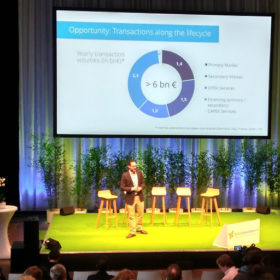
Ecosummit Berlin Round Up: software solutions for the solar industry
The 2018 Ecosummit Berlin, a EU cleantech startup platform, focussed on smart green energy and mobility. Of the 99 speakers, 69 were startups presenting innovative solutions to a changing energy economy, catering to the needs of end-customers, developers and utilities alike.
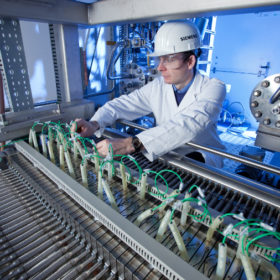
Report calls on UK Government to embrace power to gas
A new report published by the Institution of Mechanical Engineers outlines the potential for power to gas as a technology to support the addition of renewable energy capacity to the grid, and as a storage alternative with advantages over much talked about lithium-ion technology.

Global Grid launches blockchain technology for solar in Mexico
The digital platform is intended to help developers of large photovoltaic plants to raise capital without having to resort to banks or traditional investors.

Vivint Solar grows revenue on lower volume
The US residential solar power company continues its focus on higher profits, hinting at strong growth potential in coming quarters as sales teams settle into their new pipelines.
