
Sharp to construct 48 MW PV project in Vietnam
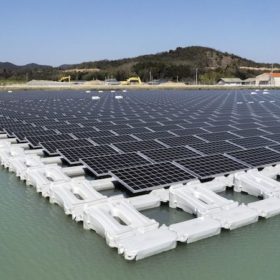
Japanese electronics giant Sharp has signed an agreement for the construction of a 48 MW (DC) PV plant, to be located in Thua Thien Hue province in Northern Vietnam.
Kyocera to drop NYSE listing
Japanese PV module supplier, Kyocera has announced plans to delist its American Depositary Shares (ADS) from the New York Stock Exchange (NYSE).
Renewables to drive economic growth in SE Asia — IRENA
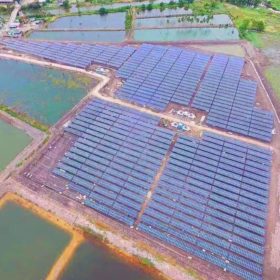
The 10 members of the Association of Southeast Asian Nations (ASEAN) are on track to make solar and other renewables account for 23% of the region’s total primary energy supply (TPES) by 2025, but governments will need to create better policy and investment frameworks to make it happen, according to the International Renewable Energy Agency (IRENA).
CEZ to sell Bulgarian solar, energy assets to Inercom
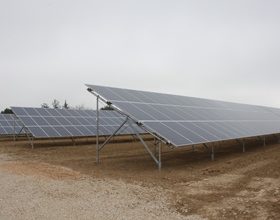
The transaction includes the sale of a solar park located in western Bulgaria.
TEPCO reaffirms renewables commitment, vows to expand globally
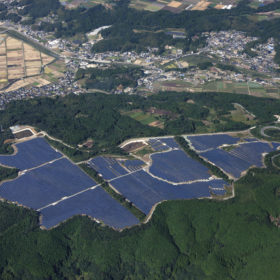
The head of Tokyo Electric Power (TEPCO) has said that the Japanese company remains committed to renewables development, and has vowed to expand the regional utility’s business beyond its home market in the coming years.

The Weekend Read: Polysilicon and wafer manufacturer ranking
Polysilicon and wafer manufacturer ranking: PV demand reached record levels in 2017, with global installations surpassing 100 GW for the first time ever. Few in the industry expected deployments to hit this level, piling the pressure on to the supply chain. Armed with polysilicon and wafer manufacturer ranking data supplied by IHS Markit, pv magazine delves into the past year’s upstream landscape.
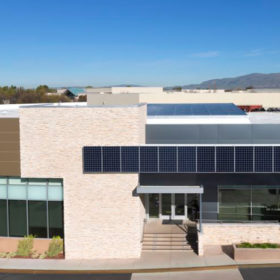
SunPower to lay off 150-250 workers, blames Section 201
The company’s latest restructuring will involve losing roughly 3% of its global workforce, all in “non-manufacuring” positions.
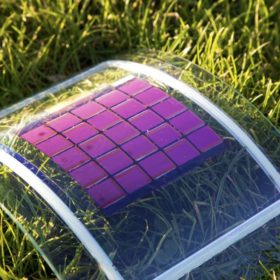
Unique properties of organic polymer solar cells expected to open niche market opportunities
While they cannot match the durability and efficiency of inorganic silicon-based solar cells, organic polymer solar cells show potential to provide power to remote microwatt sensors, wearable technology and the Wi-Fi-connected devices constituting the Internet of Things.
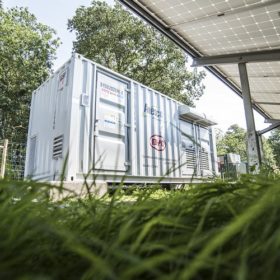
EU Battery Alliance wants 20 EU giga factories, Saft announces partnership with Siemens, Manz and Solvay
The EU Battery Alliance is calling on industry to take advantage of the expected 2025 €250 billion battery market by establishing between 10 and 20 European giga battery factories. Saft, meanwhile, has announced an alliance with Siemens, Manz and Solvay to work on advanced lithium ion and solid-state battery technology.

UNDP launches tender for hydro-solar hybrid mini grid in Afghanistan
The project is part of the country’s Afghanistan Sustainable Energy for Rural Development (ASERD) program, which aims to bring sustainable power to 200 rural communities over the next four years.
